



Good oral hygiene habits don’t develop overnight—they grow one small step at a time. From the moment your baby’s first tooth appears to the teenage years, every stage of childhood comes with unique dental needs. A routine that works for a toddler may not be enough for a middle schooler, and teens often face new challenges like braces, busy schedules, and changing diets.
As a parent, having a simple, age-appropriate plan makes protecting your child’s smile much easier. Here’s a practical guide to building healthy habits that can last a lifetime.
Looking for personalized guidance on your child’s dental care routine? Schedule a visit with us and let our experienced team help your child build healthy oral hygiene habits that last a lifetime.
Why Daily Oral Care Matters
Healthy baby teeth do much more than help children smile confidently. They support proper speech development, allow children to chew comfortably, and hold space for permanent teeth.
Consistent oral hygiene also helps prevent:
- Cavities
- Gum inflammation
- Bad breath
- Plaque buildup
- Tooth sensitivity
- Costly dental treatments later
When children learn proper brushing and flossing early, they are more likely to maintain these habits as adults.
Birth to 12 Months: Start Before the First Tooth
Many parents are surprised to learn that oral care begins even before teeth appear.
Daily Routine
- Wipe your baby’s gums with a clean, damp washcloth after feedings.
- Once the first tooth erupts, use a soft infant toothbrush.
- Brush gently twice each day.
- Use only a tiny smear of fluoride toothpaste (about the size of a grain of rice).
- Never allow your baby to sleep with a bottle containing milk or juice.
Parent Tip
Make brushing part of the bedtime routine so it becomes a familiar and comforting habit.
Ages 1–3: Building Healthy Habits
Toddlers love exploring independence, but they still need help brushing properly.
Daily Routine
- Brush twice a day for two minutes.
- Continue using a rice-sized amount of fluoride toothpaste.
- Let your child hold the toothbrush while you finish the job.
- Begin introducing floss once two teeth touch.
- Offer water instead of sugary drinks whenever possible.
Watch Out For
Toddlers often snack throughout the day. Frequent sugary snacks can increase the risk of cavities, so choose healthier options like cheese, yogurt, apples, or crunchy vegetables.
Ages 4–6: Learning Proper Technique
Children become more coordinated during these years but still need supervision.
Daily Routine
- Brush every morning and before bed.
- Increase toothpaste to a pea-sized amount.
- Encourage brushing every surface of every tooth.
- Floss once daily.
- Replace toothbrushes every three months or sooner if bristles become worn.
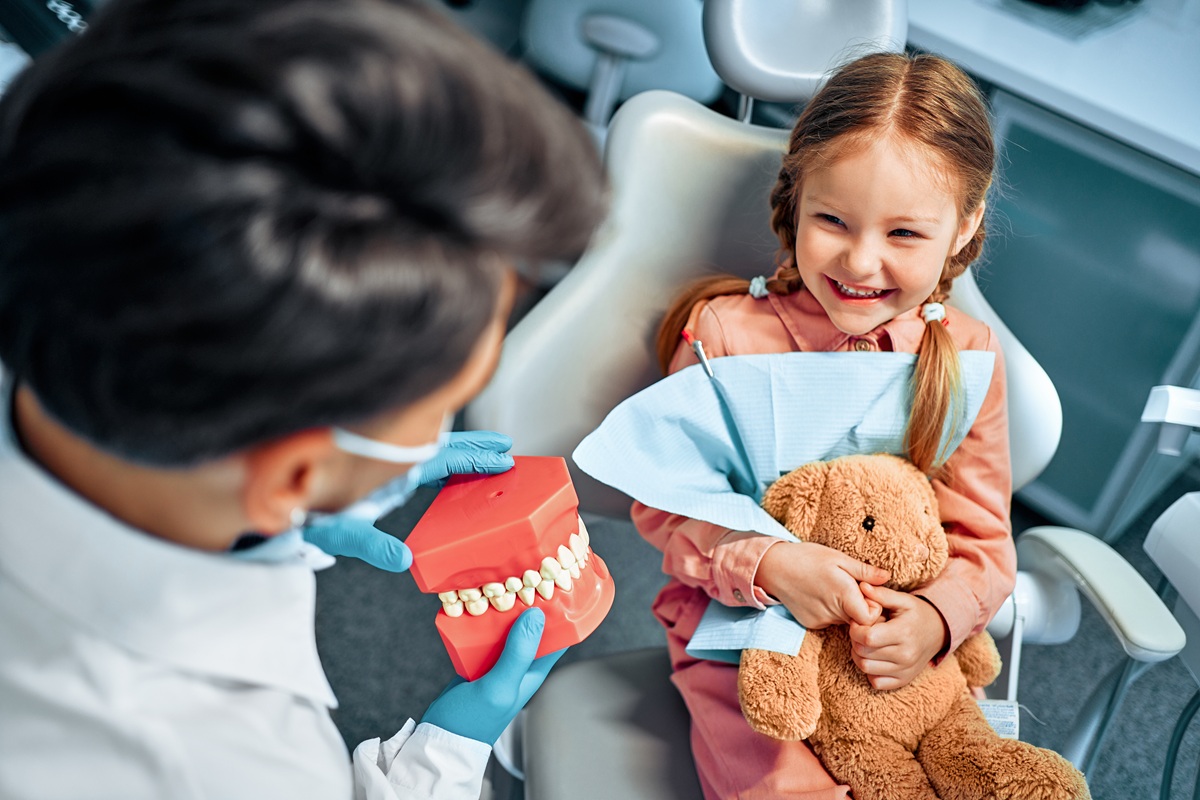
Make It Fun
Try:
- Brushing with a two-minute timer
- Reward charts
- Favorite songs
- Colorful toothbrushes
Positive reinforcement works much better than turning brushing into a battle.
Ages 7–12: Taking More Responsibility
School-aged children often want to brush on their own, but parents should continue checking their technique.
Daily Routine
- Brush for two full minutes twice daily.
- Floss every evening.
- Clean the tongue to reduce bacteria.
- Drink plenty of water throughout the day.
- Wear a mouthguard during sports.
Nutrition Matters
A balanced diet supports strong teeth.
Choose foods like:
- Milk
- Cheese
- Yogurt
- Fresh fruits
- Vegetables
- Lean proteins
- Whole grains
Limit sticky candies, sports drinks, and frequent sugary snacks.
Teenagers: Protecting Permanent Smiles
Teenagers face unique dental challenges.
They may have:
- Braces
- Wisdom teeth developing
- Busy school schedules
- Sports activities
- Greater independence with food choices
Daily Routine
- Brush morning and night using fluoride toothpaste.
- Floss every day.
- Clean around braces carefully if orthodontic treatment is underway.
- Wear retainers exactly as instructed.
- Stay hydrated.
- Limit soda, energy drinks, and acidic beverages.
If your teen participates in football, basketball, soccer, or other contact sports, wearing a custom mouthguard helps reduce dental injuries.
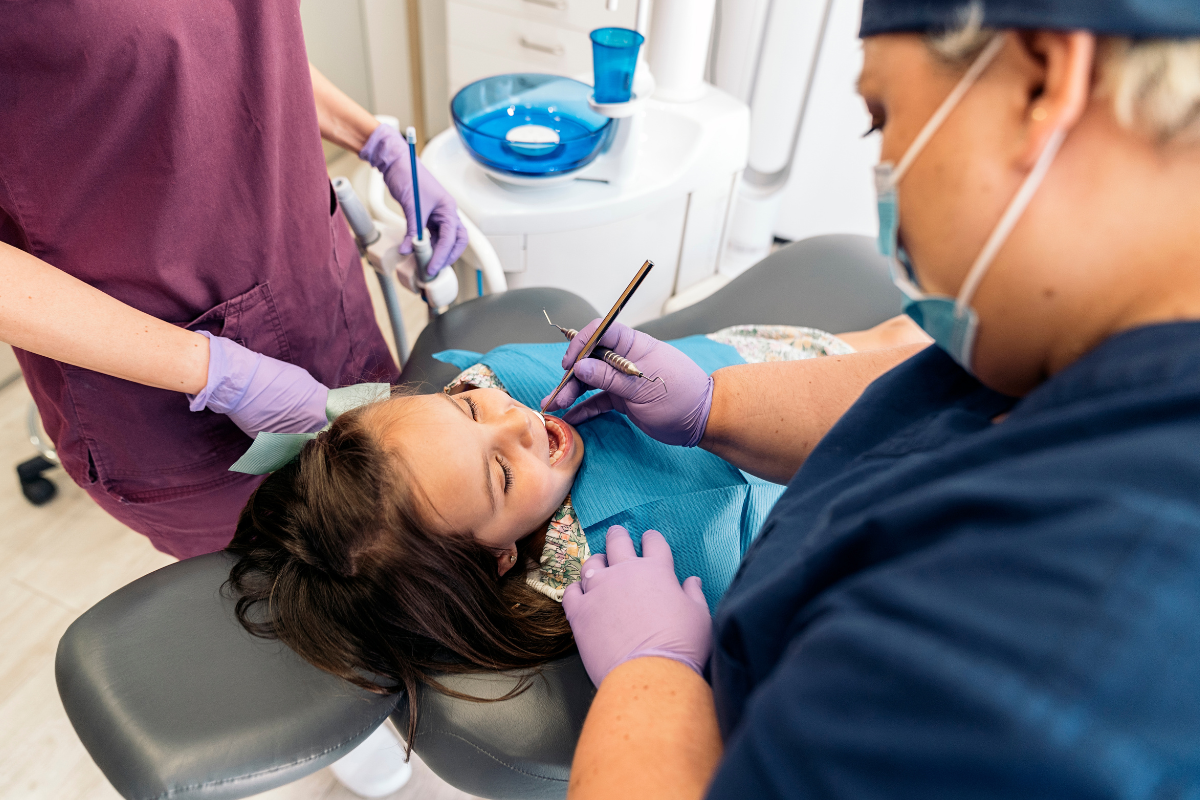
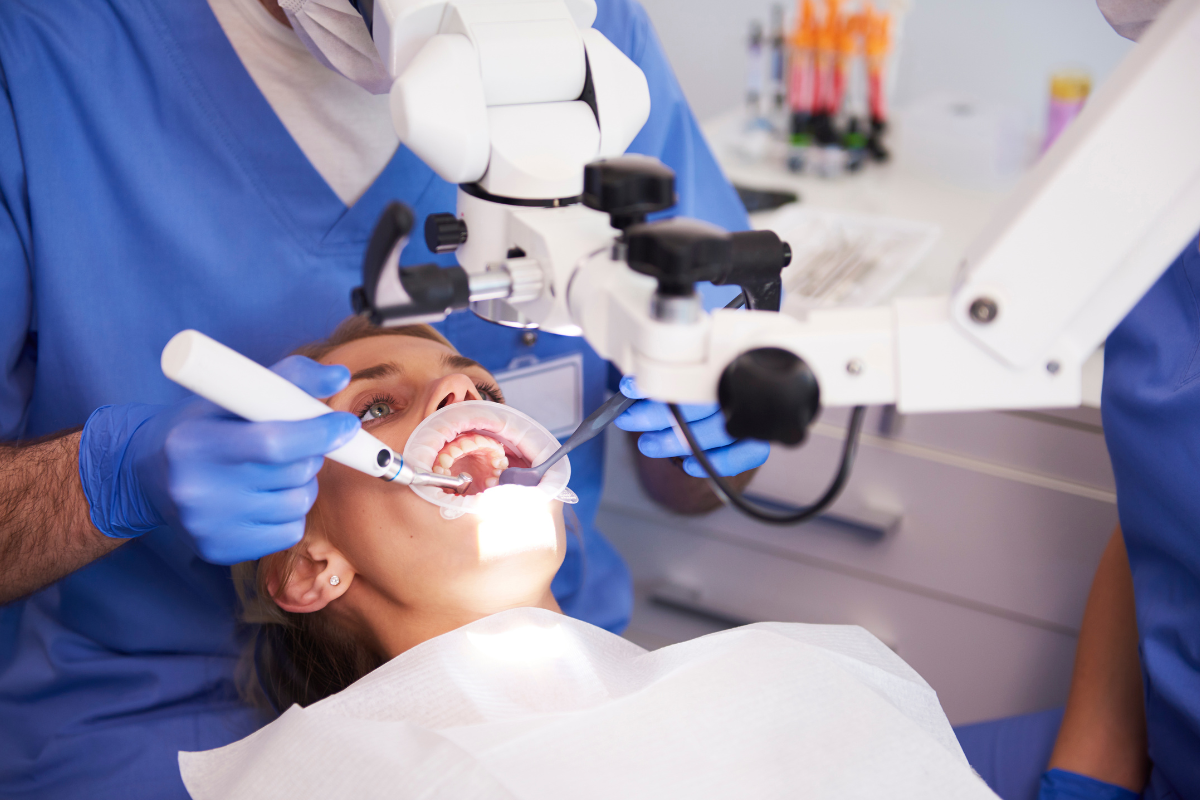
Don’t Forget Regular Dental Visits
Even the best home routine cannot replace professional dental care.
Routine checkups help your dentist:
- Detect cavities early
- Monitor jaw growth
- Evaluate bite development
- Remove plaque and tartar
- Apply preventive treatments when needed
- Provide personalized home-care guidance
Families looking for a trusted pediatric dentist in Dallas benefit from regular preventive visits that help children stay comfortable while keeping their smiles healthy for years to come.
Easy Ways Parents Can Encourage Better Brushing
Children copy what they see. Making oral hygiene a family activity can improve consistency.
Try these simple ideas:
- Brush together as a family.
- Keep toothbrushes within easy reach.
- Let kids choose their toothbrush color.
- Celebrate consistency instead of perfection.
- Set reminders for morning and bedtime brushing.
- Praise effort rather than criticizing missed spots.
Small daily routines often create lifelong habits.
Signs Your Child May Need a Dental Visit Sooner
Don’t wait for the next scheduled appointment if you notice:
- Tooth pain
- Swollen gums
- Bleeding while brushing
- White or brown spots on teeth
- Persistent bad breath
- Loose permanent teeth after an injury
- Difficulty chewing
Early treatment often means simpler and more comfortable care.
Creating Healthy Habits That Last
Every stage of childhood presents new opportunities to build lifelong oral health. While the products and techniques may change as children grow, the foundation remains the same: brush twice daily, floss consistently, eat a balanced diet, and schedule regular dental checkups.
For families in and around Dallas, staying proactive with preventive dental care helps children avoid unnecessary problems while developing confident, healthy smiles that last well into adulthood.
Help Your Child Build a Lifetime of Healthy Smiles
A strong oral hygiene routine starts at home, but professional guidance makes all the difference. At Grin Pediatric Dentistry, our team is committed to helping children of every age enjoy healthy, confident smiles through compassionate preventive care and personalized treatment. Whether it’s your child’s first dental visit or a routine checkup, we’re here to support your family’s oral health journey.
If you’re looking for an experienced pediatric dentist in Dallas, schedule an appointment with Grin Pediatric Dentistry today and give your child the foundation for a lifetime of healthy smiles.
Frequently Asked Questions
At what age should my child start brushing?
Begin cleaning your baby’s gums shortly after birth. Once the first tooth appears, start brushing with a soft toothbrush and a tiny smear of fluoride toothpaste.
How long should children brush their teeth?
Children should brush for two minutes twice every day.
When should my child begin flossing?
Floss as soon as two teeth touch each other. This helps remove plaque from areas a toothbrush cannot reach.
How often should children visit the dentist?
Most children benefit from dental checkups every six months unless their dentist recommends a different schedule.
Are electric toothbrushes better for kids?
Both manual and electric toothbrushes can work well when used correctly. Many children enjoy electric toothbrushes because they include timers and make brushing more engaging.
How can I help my child enjoy brushing?
Use music, timers, reward charts, and family brushing sessions. Keeping the experience positive encourages children to stick with the routine.
New Patients & Emergency Appointments Welcome!
