


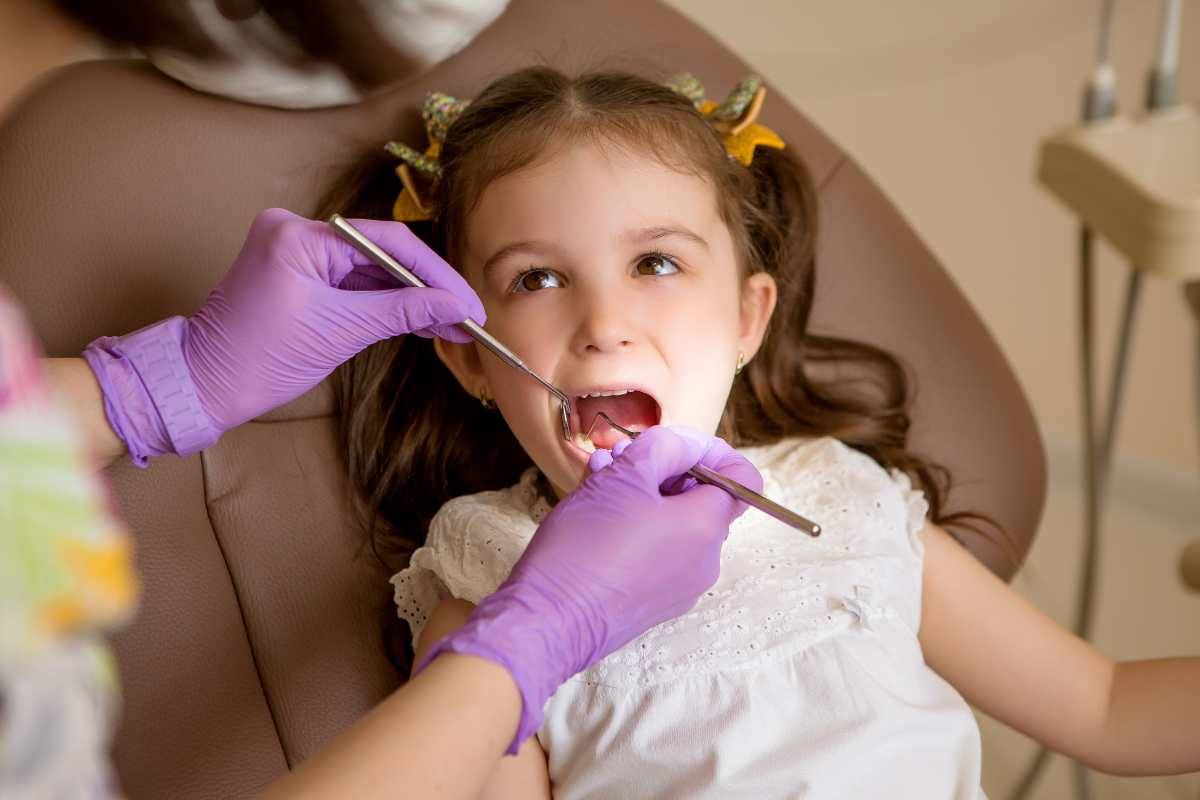
It is normal for children to feel nervous before a dental appointment. New sounds, unfamiliar instruments, bright lights, and uncertainty about what will happen can make a routine visit feel intimidating. Some children settle in after meeting the dental team, while others continue to feel overwhelmed even when a parent offers reassurance.
The important thing is to recognize when dental fear begins interfering with your child’s ability to receive regular care. A child who cries before an appointment may simply need more time to become comfortable. However, a child who repeatedly avoids visits, experiences intense distress, or cannot tolerate necessary treatment may benefit from additional support.
At Grin Pediatric Dentistry, we understand that every child responds to dental care differently. Families looking for a pediatric dentist in Plano, TX, can discuss their child’s concerns with our team and learn about approaches that may make dental visits more manageable. Recognizing the signs early can help parents find a supportive path forward without assuming that every nervous child needs sedation.
What Is the Difference Between Normal Dental Fear and Dental Anxiety?
Dental fear is a response to something a child perceives as unfamiliar, uncomfortable, or threatening. Dental anxiety involves worry or apprehension about an upcoming appointment or treatment. These feelings can overlap, and they may change as children gain experience and confidence.
For example, a preschooler might cling to a parent before a first dental cleaning but become more comfortable once the appointment begins. Another child might worry for days before each visit, lose sleep, or refuse to enter the office. The second pattern may indicate that additional support is needed.
There is no single behavior that proves a child has a dental anxiety problem. Consider the intensity of the reaction, how often it happens, whether it improves with reassurance, and whether it prevents your child from receiving care.
7 Signs Your Child May Need Extra Support at the Dentist
1. They Worry About Dental Visits for Days in Advance
Some children start asking questions as soon as they know an appointment is coming up. That is not necessarily a problem. However, persistent worry that affects sleep, school, eating, or everyday activities deserves attention.
Your child may repeatedly ask whether treatment will hurt, assume something bad will happen, or become upset whenever the appointment is mentioned. Instead of dismissing these concerns, ask what specifically feels frightening.
Understanding whether your child fears pain, separation, unfamiliar sounds, or losing control gives you and the dental team a clearer starting point.
2. They Experience Intense Distress Before or During Appointments
Crying, hiding, clinging, or asking to leave can be a child’s way of communicating fear. These reactions do not mean a child is being difficult on purpose.
Pay attention to whether your child can gradually settle with a calm explanation, a break, or support from a familiar adult. If distress remains intense or escalates during routine visits, talk with the pediatric dentist about other ways to help.
The goal is not to force a child through a frightening experience. It is to understand the source of the distress and plan care in a way that considers the child’s emotional and dental needs.
3. They Refuse to Enter the Office or Sit in the Dental Chair
Avoidance is one of the clearest signs that fear may be interfering with care. A child might refuse to leave the car, resist entering the treatment room, or become distressed when asked to sit in the dental chair.
Repeated avoidance can make preventive visits harder to maintain. It can also delay the evaluation of a toothache, cavity, or other dental concern.
If this happens, tell the dental office before the appointment. The team may be able to discuss what to expect, explain the visit in child-friendly language, or consider a gradual approach to helping your child become more comfortable.
4. They Have a Strong Reaction to Dental Sounds, Tools, or Sensations
Some children are especially sensitive to the sound of suction, the feel of dental instruments, bright overhead lights, unfamiliar smells, or the sensation of keeping their mouth open.
These reactions may be more pronounced in children who experience sensory sensitivities or have difficulty with unfamiliar environments. A child might cover their ears, pull away, gag easily, or become overwhelmed by several sensations at once.
Describe these responses to your pediatric dentist rather than simply saying your child is afraid. Specific details can help the team consider communication strategies, sensory accommodations, pauses, and other appropriate options.
5. They Struggle Even After Reassurance and Clear Explanations
Many children feel better when they know what will happen next. A simple explanation, a demonstration, or an opportunity to ask questions may help them feel more in control.
However, reassurance does not work the same way for every child. If your child remains highly distressed despite calm explanations and repeated efforts to build trust, it may be time to discuss a different approach.
Avoid promising that a procedure will never hurt or telling your child there is absolutely nothing to worry about. Instead, explain that the dentist will describe the steps, listen to their concerns, and help them understand what to expect.
6. Dental Anxiety Has Led to Missed Visits or Delayed Treatment
One missed appointment does not automatically indicate a serious problem. A repeated pattern of cancellations, refusal, or postponing recommended treatment because of fear is more concerning.
When children miss routine dental visits, opportunities to monitor their teeth and identify developing problems may be lost. If a child already has pain or a suspected cavity, delaying an assessment can allow the issue to worsen.
If anxiety is making appointments difficult, let the practice know. A pediatric dentist can assess the urgency of the dental concern and discuss a realistic plan for moving forward.
7. Your Child Has Difficulty Completing Necessary Treatment
A child may manage a brief examination but become overwhelmed during a filling, extraction, or longer procedure. This does not necessarily mean that sedation is required, but it does mean the treatment plan may need a closer look.
The dentist will consider several factors, including the child’s age and development, medical history, level of anxiety, the treatment needed, and the child’s ability to cooperate.
If routine behavior guidance is not enough, additional options may be discussed. These could include adjusting the appointment approach, dividing care into stages when clinically appropriate, or evaluating whether sedation is suitable.
Why Do Some Children Develop Dental Anxiety?
Understanding the cause can help parents respond more effectively. Dental anxiety may develop for several reasons, and more than one factor can contribute.
- Fear of pain: A child may expect treatment to hurt, even if they have never had a painful dental experience.
- A previous upsetting experience: An uncomfortable appointment or an experience elsewhere in healthcare may influence how a child feels about future visits.
- Fear of the unknown: Children may worry when they do not understand the instruments, sounds, or steps involved in treatment.
- Sensory sensitivities: Certain sounds, tastes, textures, lights, or physical sensations may feel overwhelming.
- Difficulty with unfamiliar people or environments: Some children need more time to build trust and understand what is expected.
- Developmental or communication differences: A child may find it harder to express discomfort, process instructions, or cope with a change in routine.
Ask open-ended questions such as, “What part of the dentist visit feels hardest?” or “Is there something you wish the dentist knew?” Give your child time to answer without correcting or minimizing their feelings.
How Can Parents Help a Child Who Is Afraid of the Dentist?
Parents can help create a calmer experience before the appointment even begins. Small changes may be useful, particularly when anxiety is mild or related to uncertainty.
Talk About the Visit in a Calm, Honest Way
Use simple, age-appropriate language. Explain that the dentist checks teeth and helps keep the mouth healthy. If treatment is planned, ask the office how best to describe it.
Avoid frightening details, but do not make promises you cannot guarantee. Statements such as “The dentist will explain what happens” are more helpful than insisting that a child will feel nothing.
Practice Through Play
For younger children, playing dentist with a stuffed animal or taking turns counting teeth in a mirror can make the idea of an appointment more familiar. Picture books and simple explanations may also help.
Keep these activities light and optional. The purpose is to build familiarity, not to pressure your child into acting brave.
Give Your Child Choices Where Possible
Small choices can help a child feel involved. You might let them choose a comfort item to bring, select a song for the car ride, or decide which questions they want to ask the dentist.
The dental team will still need to make clinical decisions, but giving children appropriate choices can help them feel heard.
Share Specific Concerns With the Dental Team
Before the appointment, tell the office what you have noticed. Explain which sounds, sensations, or situations trigger distress and what has helped in the past.
This information can help the team prepare for your child’s needs. It is also useful to mention previous difficult dental experiences, relevant medical conditions, medications, and any sensory or communication considerations.
What Support Options May a Pediatric Dentist Recommend?
The right approach depends on the child, the reason for the visit, and the treatment needed. A pediatric dentist may begin with non-medication techniques and consider additional support if anxiety continues to prevent necessary care.
Behavior Guidance and Gradual Familiarization
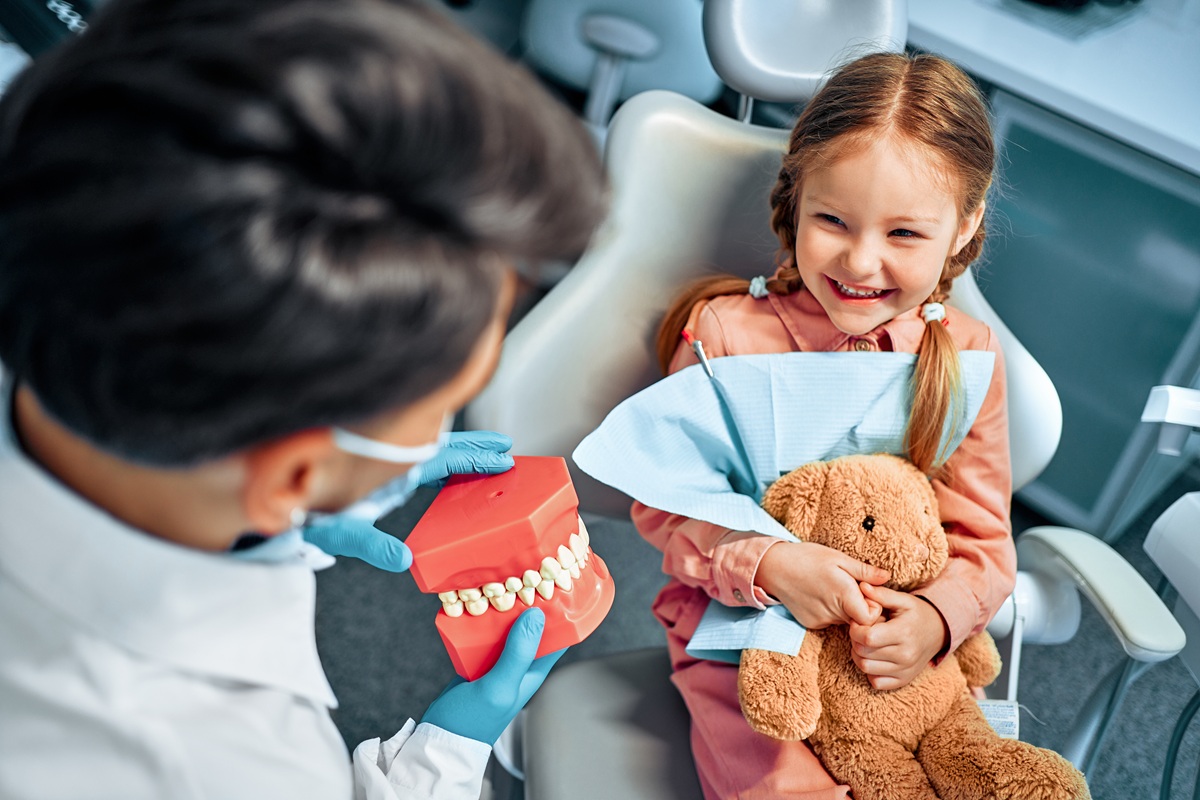
Some children benefit from short, introductory visits or a gradual approach to becoming familiar with the dental environment. The dentist may explain instruments before using them, demonstrate a step, or use simple language to describe sensations.
Breaks and clear communication may also help some children. These techniques are not guaranteed to work for every child, but they can be an important part of an individualized plan.
Nitrous Oxide or Other Sedation Options
If anxiety is substantial or treatment is difficult to complete, the dentist may discuss whether sedation is appropriate. Nitrous oxide, commonly called laughing gas, is one option used in pediatric dentistry. Other approaches may be considered depending on the child’s needs, health history, and planned procedure.
Sedation is not the automatic next step for every anxious child. It requires a clinical assessment, discussion of potential benefits and risks, and specific preparation and monitoring instructions. Parents should follow the treating clinician’s guidance rather than making medication or fasting decisions on their own.
Families exploring a sedation dentist in Plano can ask Grin Pediatric Dentistry about the available options, how suitability is assessed, and what to expect before and after treatment.
When Should You Contact a Pediatric Dentist?
Consider contacting your child’s dentist if anxiety repeatedly prevents examinations or treatment, causes significant distress before appointments, or leads to missed care. You should also reach out if your child has developed a new fear after a difficult experience or if sensory needs make appointments especially challenging.
Do not wait for anxiety to become severe before raising the concern. Sharing what you observe allows the dental team to discuss options and decide how urgently the dental issue needs attention.
If your child has a toothache, facial swelling, dental injury, or another concerning symptom, contact a dental professional promptly rather than delaying care solely because of anxiety. Significant facial swelling accompanied by difficulty breathing or swallowing requires emergency medical attention.
FAQs About Children’s Dental Anxiety
How do I know if my child’s fear of the dentist is more than normal nervousness?
Look for repeated, intense distress that does not ease with reassurance or that interferes with appointments, sleep, or necessary treatment. A pediatric dentist can help you understand the pattern and discuss appropriate support.
Can dental anxiety cause a child to avoid necessary treatment?
Yes. Some children refuse appointments or struggle to complete procedures because they are afraid. If this happens repeatedly, tell the dental team so they can assess the dental concern and discuss ways to make care more manageable.
Does every anxious child need dental sedation?
No. Some children respond well to clear explanations, gradual familiarization, breaks, and other behavior guidance approaches. Sedation may be considered in selected situations after an individualized assessment.
How can I prepare my child for a dental visit in Plano?
Explain the purpose of the appointment in simple language, invite your child to share their concerns, and tell the dental office about specific fears or sensory sensitivities. Ask the practice what your child can expect and whether any preparation would be helpful.
What if my child refuses to cooperate during a dental appointment?
Stay calm and avoid framing the behavior as misbehavior. Share your concerns with the pediatric dentist, who can assess whether a different communication approach, a gradual plan, or another treatment option may be appropriate.
Helping Your Child Feel More Comfortable at Grin Pediatric Dentistry
Dental anxiety can make routine care feel like a major challenge, but parents do not have to figure it out alone. Recognizing recurring signs of distress and discussing them early can help you and your child’s dental team plan the next step together.
At Grin Pediatric Dentistry, we provide pediatric dental care in Plano, TX, and understand the importance of listening to each child’s concerns. If fear is making dental visits difficult for your family, contact our team to discuss your child’s needs and learn about appropriate options for a more supportive dental experience.
Schedule an appointment with Grin Pediatric Dentistry in Plano to discuss your child’s dental anxiety and the care that may be right for them.

New Patients & Emergency Appointments Welcome!
