



Spotting a hint of pink on your child’s toothbrush can stop any parent in their tracks. That first dental cleaning is a milestone, full of sparkly tools and triumphant high-fives. Yet, when gums bleed afterward, worry creeps in fast. You’re not alone—this happens more often than you’d think. It signals your child’s mouth is adjusting, but knowing the right moves keeps things on track. Let’s dive into why this occurs and how you can guide your kid back to a confident grin.
Why Do Children’s Gums Bleed After a Cleaning?
Dental cleanings remove built-up plaque and tartar. This process can irritate sensitive gum tissue, especially if inflammation lurks beneath. The main culprit? Gingivitis, an early gum disease from plaque bacteria. In kids, it stems from skipped brushing or sugary snacks.
Aggressive brushing habits play a role too. Kids often scrub too hard, weakening gums over time. New flossing routines can nick tissues, sparking minor bleeds. Even vitamin shortages, like low C or K, weaken gum strength in rare cases.
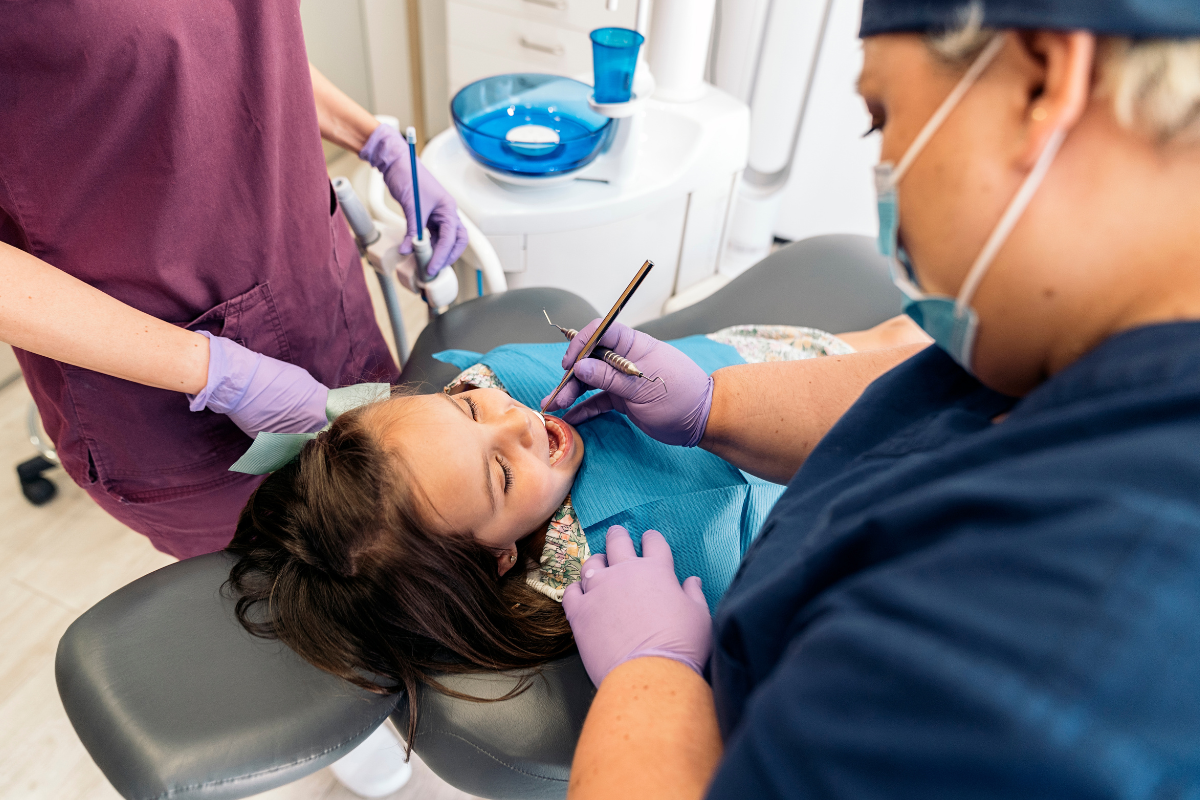
During the cleaning, tools probe deeper than home efforts reach. This dislodges debris but may cause temporary soreness. Rest assured, most cases resolve quickly with care.
Common Signs and How Long It Lasts
Watch for light spotting when brushing or eating crunchy foods. Gums might look puffy or feel tender. These fade within 24 to 48 hours for healthy mouths.
If bleeding persists beyond two days, note it. Track patterns—does it happen only after meals? Pair it with bad breath or loose teeth? These hint at deeper issues like advancing periodontitis.
Kids’ healing speeds impress. Their robust immune systems mend fast. Still, monitor closely. Early spots prevent bigger troubles down the line.
Immediate Home Care Steps for Bleeding Gums
Act gentle right away. Rinse your child’s mouth with cool water to soothe. A saltwater swish—half a teaspoon in eight ounces—cuts bacteria without sting.
Apply light pressure with clean gauze if spotting occurs. Hold for a minute. Cold compresses on the cheek reduce swelling. Skip hot foods; opt for soft yogurt or smoothies.
Boost oral hygiene softly. Use a soft-bristled brush in circles, not back-and-forth. Fluoride toothpaste in pea-size amounts fights plaque. Floss daily, but glide slowly to avoid snaps.
Hydrate well. Water flushes debris. Crunchy veggies like carrots massage gums naturally. These tweaks build resilience.
Preventing Future Bleeding During Cleanings
Consistency is key. Brush twice daily for two minutes. Make it fun—use timers or songs. Floss before bed to clear hidden spots.
Diet matters. Limit sodas and candies. Fresh fruits pack vitamin C for gum health. Chew sugar-free gum to spur saliva flow.
Schedule checkups every six months. Pro cleanings catch plaque early. Teach kids proper techniques at home. Model good habits yourself.
Incorporate LSI terms like oral hygiene routines for children seamlessly. They reinforce plaque control and enamel protection, tying into broader pediatric dental wellness.
Stats on Gum Health in Children
Here’s a quick look at gum bleeding prevalence among kids, based on recent studies. These numbers underscore why proactive care counts.
| Age Group | Prevalence of Gum Bleeding/Gingivitis | Key Insight |
|---|---|---|
| Preschool (3-5 yrs) | ~1% | Low due to fewer permanent teeth; focus on basics. |
| School-Age (6-12 yrs) | 3-10% | Rises with sweets; early intervention key. |
| Teens (13-18 yrs) | Up to 75% | Hormones and habits spike risks; monitor closely. |
Data from CDC and pediatric surveys highlights trends. Early gingivitis affects nearly half of school kids if unchecked.
When to Seek Professional Help
Mild bleeding eases soon. But heavy flow, fever, or pus signals infection. Swollen lymph nodes or fever demand quick action.
If pain disrupts eating or sleep, don’t wait. Unchecked issues lead to abscesses or tooth loss. A pro exam rules out hidden problems.
Trust your gut. Better safe than sorry with little ones’ smiles.
Routine dental cleanings for kids in Dallas, TX, often reveal these early signs. Local experts emphasize tailored plans to fit busy families.
Trending FAQs on Children’s Gums Bleeding After Cleaning
Parents often turn for reassurance. Here are top-searched questions, with straightforward answers drawn from pediatric guidelines:
- Is it normal for a child’s gums to bleed after a dental cleaning? Yes, mildly. It shows the cleaning worked by removing irritants. It should stop in 1-2 days.
- Why do kids’ gums bleed when brushing after a cleaning? Inflammation from plaque removal causes sensitivity. Gentle techniques help it subside fast.
- How long should gums bleed after a child’s teeth cleaning? Up to 48 hours is typical. Longer? Check for ongoing gingivitis.
- What home remedy stops bleeding gums in children post-cleaning? Saltwater rinses and soft foods. Avoid irritants like citrus.
- When should I worry about bleeding gums in my child after cleaning? If it lasts over 3 days, worsens, or includes swelling/pain. See a dentist promptly.
These cover core concerns. They empower you to respond confidently.
If you’re noticing patterns, consider tweaks. Balanced nutrition aids healing. Chewable vitamins appeal to picky eaters.
If you are searching for a pediatric dentist in Dallas, TX, look for board-certified pros who specialize in gentle, kid-friendly approaches. They offer tips tailored to local water quality and diets common here.
Ongoing education builds trust. Share stories of your child’s wins. It motivates better habits.
Wrapping up strong, remember: a bleeding episode is often a nudge toward better routines. With your support, your child’s smile thrives. Questions linger? Reach out anytime. Call (972) 608-4746 to schedule an appointment and ease those worries today. Here’s to healthy, happy grins ahead.

New Patients & Emergency Appointments Welcome!
