


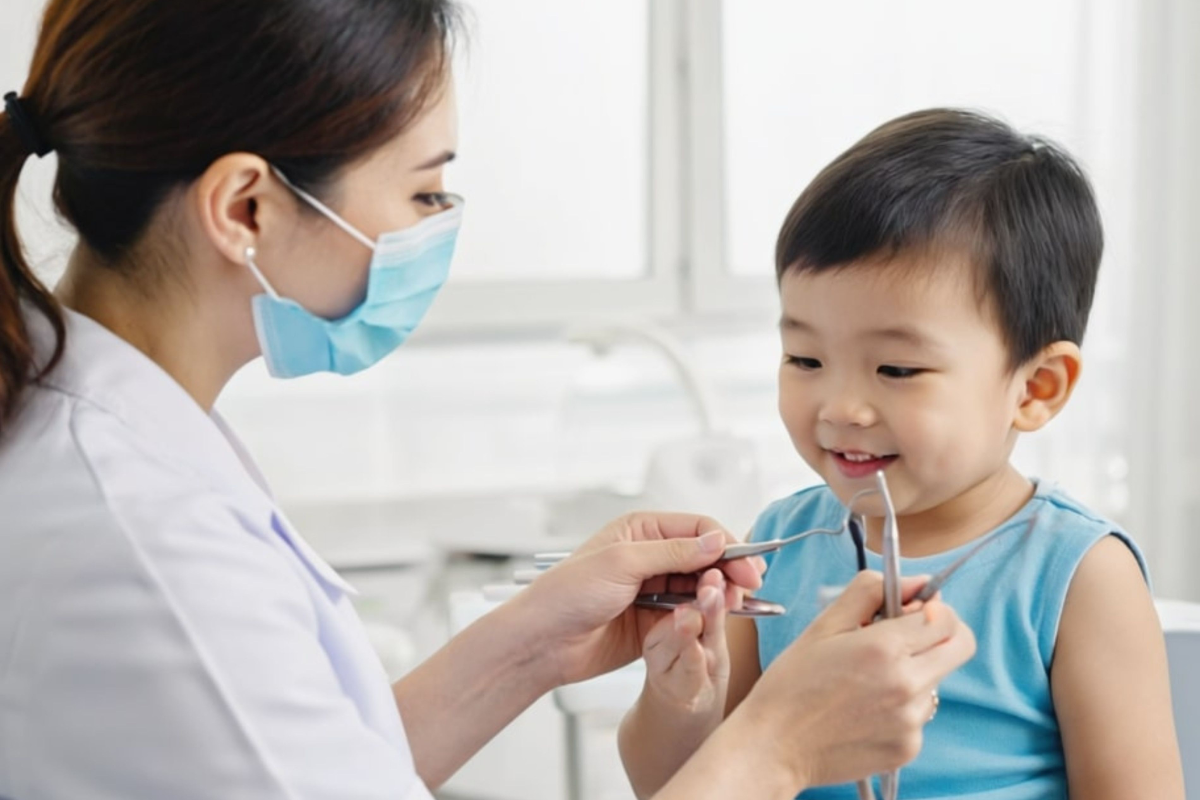
Bad breath in children—also known as halitosis in children—can be a surprising and sometimes frustrating issue for parents. Even kids who brush regularly and visit the dentist may struggle with occasional or persistent bad breath. While it’s often not a serious health concern, chronic bad breath can indicate underlying oral health issues and affect your child’s confidence.
At Grin Pediatric Dentistry in Dallas, Texas, we help families identify the causes of kids’ bad breath and provide practical solutions for healthier, fresher smiles.
Meet Our Board-Certified Pediatric Dentist

Dr. Patrick Ryan of Grin Pediatric Dentistry is a native Texan with decades of experience caring for children’s smiles. He completed his dental education and pediatric specialty training at Baylor College of Dentistry in Dallas, where he also served as Chief Resident at Children’s Hospital and Scottish Rite Hospital for Children. Practicing pediatric dentistry since 1998, Dr. Ryan is a board-certified pediatric dentist who is deeply committed to compassionate, child-focused care for families in Dallas, Texas. Schedule an appointment today to give your child a healthy, confident smile
Why Parents Worry About Bad Breath in Children
Parents often notice child bad breath and wonder whether it signals a serious health issue. While occasional odor—like morning breath in children—is normal, persistent bad breath can indicate:
- Poor oral hygiene in children
- Cavities or tooth decay
- Gum disease or infections
- Mouth breathing or dry mouth
- Tonsil stones or sinus infections
Early intervention can prevent more serious dental problems and help your child feel confident in social situations. Searching for a “pediatric dentist near me” is often the first step for concerned parents.
Common Causes of Bad Breath in Kids
Understanding what causes halitosis in children is key to addressing the issue. Here are the most frequent causes we see at our Dallas pediatric dental clinic:
1. Poor Oral Hygiene in Children
It is the leading cause. When kids don’t brush and floss effectively, food particles remain in the mouth. Bacteria feed on these particles and release unpleasant odors.
Common contributors include:
- Skipping brushing before bed
- Not flossing between teeth
- Forgetting to clean the tongue
2. Cavities and Bad Breath
Tooth decay creates areas where bacteria thrive. Cavities and bad breath often go hand in hand, even when there’s no pain yet. A routine pediatric dental exam and cleaning can catch cavities early.
3. Gum Disease in Children
Inflamed or infected gums can also cause odor. Early-stage gum disease doesn’t always hurt, which is why regular pediatric dental checkups are essential.
4. Morning Breath in Children
At night, saliva flow slows down. Since saliva helps wash away bacteria, reduced flow can lead to odor by morning. This is normal and usually resolves with brushing and breakfast.
5. Dry Mouth in Kids
Kids who don’t drink enough water—or who breathe through their mouths—often have dry mouths. Less saliva means more odor-causing bacteria.
6. Mouth Breathing and Bad Breath
Mouth breathing, often due to allergies or congestion, dries out the mouth. In Dallas, seasonal allergies and dry indoor air can make this worse.
7. Sinus Infections and Bad Breath
Post-nasal drip allows bacteria to collect on the tongue and throat, leading to noticeable odor.
8. Large Tonsils and Tonsil Stones
Children with deep tonsil crevices may develop tonsil stones, which trap debris and bacteria. These stones are a common but often overlooked cause of halitosis.
Step-by-Step: How to Fix Bad Breath in Children
Parents often ask how to fix bad breath in children without overwhelming them. Here’s a simple, effective approach recommended by pediatric dentists.
Daily Oral Hygiene Habits
- Brush teeth twice daily with a fluoride toothpaste
- Floss once a day, even for baby teeth
- Gently brush or scrape the tongue
- Replace toothbrushes every 2–3 months
Support Saliva Production
- Encourage regular water intake
- Offer crunchy fruits and vegetables like apples and carrots
- Avoid frequent sugary snacks
Build Consistency
- Create a brushing routine morning and night
- Help younger kids brush until they have good dexterity
Schedule Regular Dental Visits
Routine pediatric dental visits allow for early detection of cavities, gum issues, or other pediatric dental concerns that contribute to bad breath.
Pediatric Dental Practice Families Trust
At Grin Pediatric Dentistry in Dallas, our focus is on compassionate, child-friendly care. Families seeking an pediatric dentist, pediatric dentist accepting new patients, or a pediatric dentist open today find our clinic welcoming and approachable.
Our team handles everything from pediatric dental exams and cleanings to pediatric dental emergency care, including kids dental emergencies like toothaches or sudden pain.
A Real Parent’s Experience
“Dr. Ryan was great. Extremely professional and knowledgeable. They were able to get us in the same day for a tooth injury. Staff is kind and efficient. I think we’ve found our future pediatric dentist.”
— J. Pajouh
When Bad Breath Is a Dental Emergency
While most cases are routine, some situations require prompt care:
- Severe tooth pain with odor
- Swelling or signs of infection
- Suspected abscess
In these cases, contact a pediatric dentist open today or seek pediatric dental emergency care right away.
Final Thoughts: Fresh Breath Starts with Healthy Habits
Bad breath doesn’t mean bad parenting—and it doesn’t mean something serious in most cases. With good oral hygiene, regular dental visits, and guidance from a trusted children’s dentist, most kids enjoy fresh breath and healthy smiles.
Schedule a Pediatric Dental Visit in Dallas
If you’re searching for a pediatric dentist near you who understands children and parents alike, we’re here to help. Book a visit with Grin Pediatric Dentistry to give your child the confidence of a healthy smile. Call our Dallas office to schedule an appointment.
Frequently Asked Questions
Is bad breath in children normal?
Occasional bad breath, especially in the morning, is normal. Persistent or strong odors, however, may indicate poor oral hygiene, cavities, gum disease, or dry mouth. Early evaluation by a pediatric dentist helps prevent more serious issues.
How does diet affect kids’ bad breath?
Sugary snacks, processed foods, and strong-smelling foods contribute to halitosis in children. Encouraging water and crunchy fruits and vegetables can naturally reduce odor and improve oral health.
Can cavities cause bad breath without pain?
Yes. Cavities provide spaces for bacteria to accumulate and produce odor. Often, children don’t feel discomfort until decay is advanced, making regular pediatric dental exams and cleanings essential.
How can mouth breathing cause bad breath?
Mouth breathing reduces saliva, which normally washes away bacteria. Chronic mouth breathing, often due to allergies or congestion, can lead to a dry mouth in kids, creating persistent bad breath.
At what age should my child see a pediatric dentist?
Children should visit a pediatric dentist for infants by their first birthday or when the first tooth appears. Early dental visits establish preventive care habits and address potential pediatric dental concerns early.
How do tonsil stones affect children’s breathing?
Tonsil stones trap bacteria, food, and debris in the tonsil pits, producing odor. While typically harmless, persistent stones may require management from a pediatric dental specialist or pediatrician.
Can bad breath indicate sinus infections in children?
Yes. Sinus infections and bad breath are connected because mucus dripping into the throat allows bacteria to thrive, producing a foul smell. Treating the underlying infection usually resolves the odor.
What can parents do at home to prevent bad breath?
Parents should enforce oral hygiene instructions for children, including brushing, flossing, tongue cleaning, proper hydration, and healthy diet. Regular visits to a child-friendly dentist help maintain long-term pediatric oral health.
New Patients & Emergency Appointments Welcome!
