


It’s normal for parents to question whether their infant’s sudden fussiness or persistent drooling is a sign of teething. You can effectively manage your child’s discomfort and soothe them if you are aware of the early warning symptoms. Let’s explore the typical signs, how to calm your child, and why routine checkups with a pediatric dentist are crucial at this point.
Teething Beginning Phase
The process by which a baby’s first teeth start to erupt through the gums is known as teething. Although each child is unique, most begin this process at six months of age. But it might happen as late as a year or as early as four months.
A general timeline of tooth eruption is as follows:
- 4–7 months: Typically, the central incisors, the first two bottom teeth, appear.
- 8 and 12 months: The central and lateral incisors, the top four front teeth, erupt.
- 12 and 16 months: The first molars appear.
- 16 and 20 months: Canine teeth begin to erupt.
- 23 and 33 months: The second molars, which complete the set of 20 primary teeth, erupt
Typical Indications Your Infant Is Teething
Here are a few signs your little one is having a teething experience:
Excessive Drooling: One of the initial symptoms is increased salivation. The continuous moisture is the reason why you might see your baby’s clothing getting wet or a rash developing around their mouth, chin, or neck.
Gum Rubbing and Biting: Babies have a tendency to bite and rub their gums on anything they can get their hands on. The pain of erupting teeth might be lessened by rubbing things on their gums.
Irritability and Fussiness: Little ones with sensitive gums may be more grumpy than normal. Your infant may be teething if they seem fussy or cry a lot for no obvious reason.
Disrupted Sleep Patterns: Your infant may be experiencing slight discomfort or pain from teeth pushing through, which can disturb their sleep. If your child is waking up more frequently, it is a clear indication of tooth eruption.
Loss of Appetite: Sucking or chewing can increase gum discomfort in babies, making them refuse to breastfeed or take solid food. This is only a short-term issue, though, and shouldn’t have an impact on their general diet.
Ear Pulling or Cheek Rubbing: When teething, some babies pull on their ears or massage their cheeks. This happens when the pain from their gums may spread to these parts of their body.
How to Comfort Your Teething Baby?
There are several safe and effective ways to ease your baby’s discomfort:
Use Chilled Teething Toys: Applying a teething ring after refrigerating or a clean, damp washcloth can provide soothing relief. The cold helps numb the gums and reduce inflammation.
Gently Massage the Gums: Use a clean finger to apply light pressure on your baby’s gums. This can temporarily alleviate pain.
Keep Them Hydrated: Encourage your baby to drink cold water (if they are old enough) to help soothe their gums and prevent dehydration caused by drooling.
Medication: For more severe discomfort, you can give your baby over-the-counter pain relievers. However, do so only after consulting your child’s pediatric dentist in Dallas for proper dosage guidelines.
Why Are Dental Visits Important During Teething?
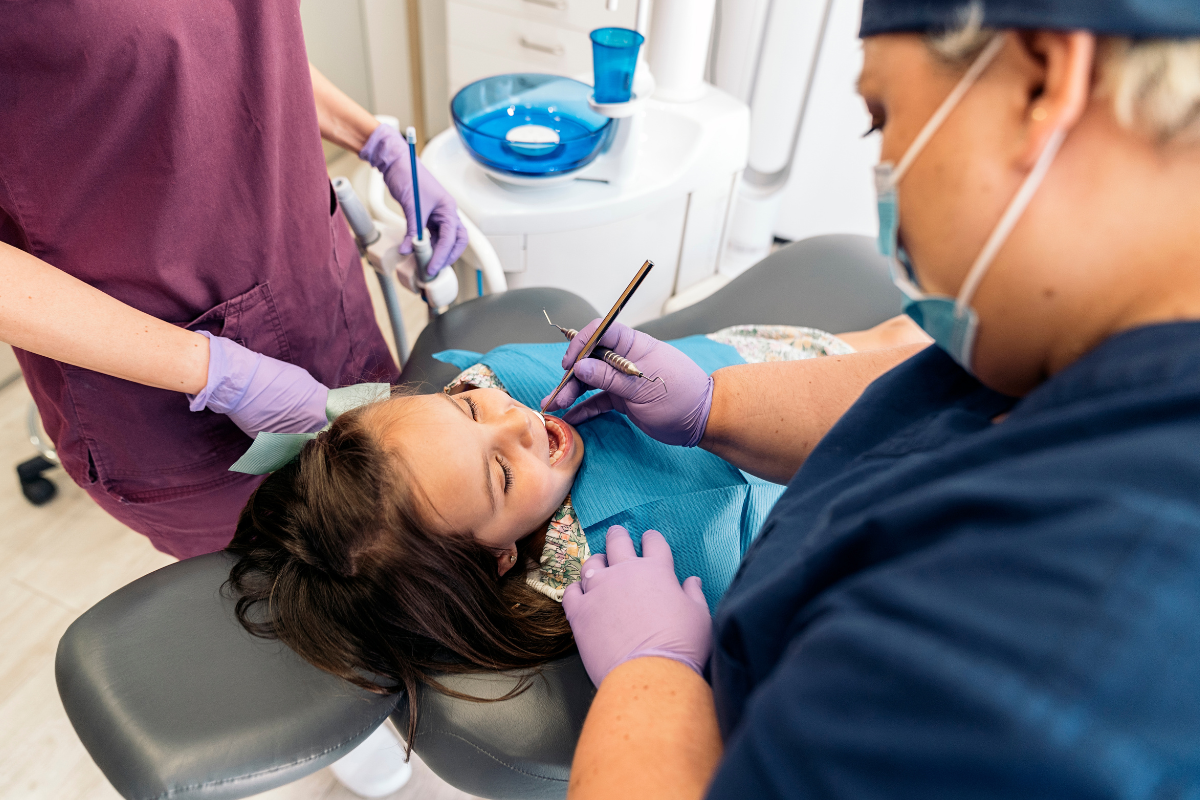
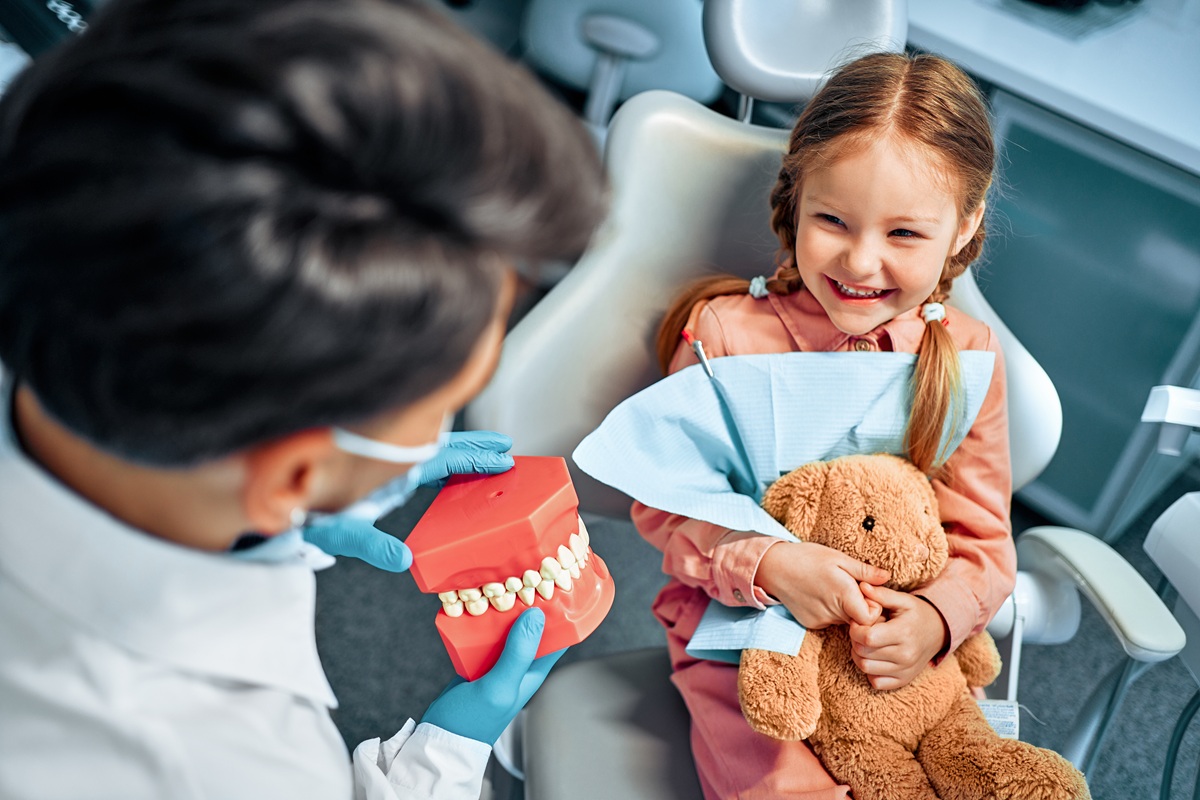
Regular dental visits during the teething phase are vital for monitoring your baby’s oral health. A pediatric dentist often recommends scheduling your child’s first visit within six months of the first tooth eruption or by their first birthday. These early appointments allow the pediatric dentist to check for any signs of abnormal tooth development and provide tips on oral hygiene practices.
Teething can be challenging for babies and parents, but recognizing the signs and knowing how to ease your baby’s discomfort makes the process more manageable. At Grin Pediatric Dentistry, we offer comprehensive care for your child’s oral health and keep young smiles bright and healthy.
New Patients & Emergency Appointments Welcome!
