


Caring for your baby’s oral health starts earlier than many parents realize. As a pediatric dentist, I often guide families on how climate, especially dry weather, affects a child’s gums and teeth. In places like North Texas, dryness can increase the risk of irritation, dehydration, and early dental issues if proper care is not followed.
Before we dive in, let me briefly introduce myself so you know where this guidance comes from.
Guidance From a Trusted Pediatric Dentist

Meet Dr. Patrick Ryan, a native Texan and board-certified pediatric dentist. Dr. Ryan completed his dental training and pediatric residency at Baylor College of Dentistry in Dallas, where he also served as Chief Resident at Children’s Hospital and Scottish Rite Hospital for Children. He has been caring for children’s smiles at Grin Pediatric Dentistry since 1998.
As a parent of four, Dr. Ryan understands both the clinical and emotional side of children’s dental care. His advice helps parents make confident, informed decisions—especially in challenging environments like dry climates. If you’d like personalized guidance for your child’s oral health, consult Dr. Ryan and schedule an appointment with our caring pediatric dental team today.
How a Dry Climate Affects Baby Oral Health
Dry climates reduce moisture in the air. As a result, babies may experience dry mouths more often. Saliva plays a key role in washing away bacteria and protecting enamel. When saliva flow drops, plaque builds up faster.
In Dallas, TX 75252, seasonal dryness and indoor air conditioning can worsen this problem. Therefore, parents need to take extra steps to protect their baby’s gums and teeth early on.
Key concerns include:
- Dry and irritated gums
- Higher cavity risk
- Discomfort during teething
When to Start Caring for Your Baby’s Gums
Oral care should begin before the first tooth appears. Healthy gums support healthy teeth later on. Moreover, early habits help babies adjust to daily oral care.
You can start by:
- Gently wiping gums with a clean, damp cloth
- Doing this after feedings and before bedtime
- Keeping the mouth moist, especially in dry weather
Regular care at this stage reduces bacteria buildup and soothes sensitive tissue.
Cleaning Baby Teeth the Right Way
Once the first tooth erupts, brushing becomes essential. Use a soft-bristled baby toothbrush and a rice-sized amount of fluoride toothpaste.
At this stage, Regular Checkups, child’s gums play a major role in prevention. At Grin Pediatric Dentistry, parents often ask about finding a pediatric dentist near Dallas they can trust. Early visits allow us to monitor growth, hydration effects, and overall oral development.
Tips for effective cleaning:
- Brush twice a day
- Avoid scrubbing too hard
- Replace toothbrushes every three months
Hydration Matters More Than You Think
In dry climates, hydration supports both general health and oral health. Babies lose moisture faster, which can dry out the mouth.
To help:
- Offer frequent sips of water (age-appropriate)
- Avoid sugary drinks
- Use a cool-mist humidifier at night
Proper hydration keeps saliva flowing and protects enamel naturally.
Teething Care in Dry Weather
Teething often causes sore gums, and dryness can make discomfort worse. However, gentle care makes a big difference.
Safe teething tips:
- Use chilled (not frozen) teething rings
- Massage gums with a clean finger
- Avoid numbing gels unless advised by a pediatric dentist
These steps calm irritation while keeping gums healthy.
Diet Choices That Protect Baby Teeth
What your baby eats affects oral health. In dry conditions, sticky or sugary foods cling to teeth more easily.
Choose foods that:
- Encourage chewing and saliva flow
- Are low in added sugars
- Support enamel strength, like dairy and soft vegetables
Balanced nutrition supports strong teeth and resilient gums.
Why Early Dental Visits Matter
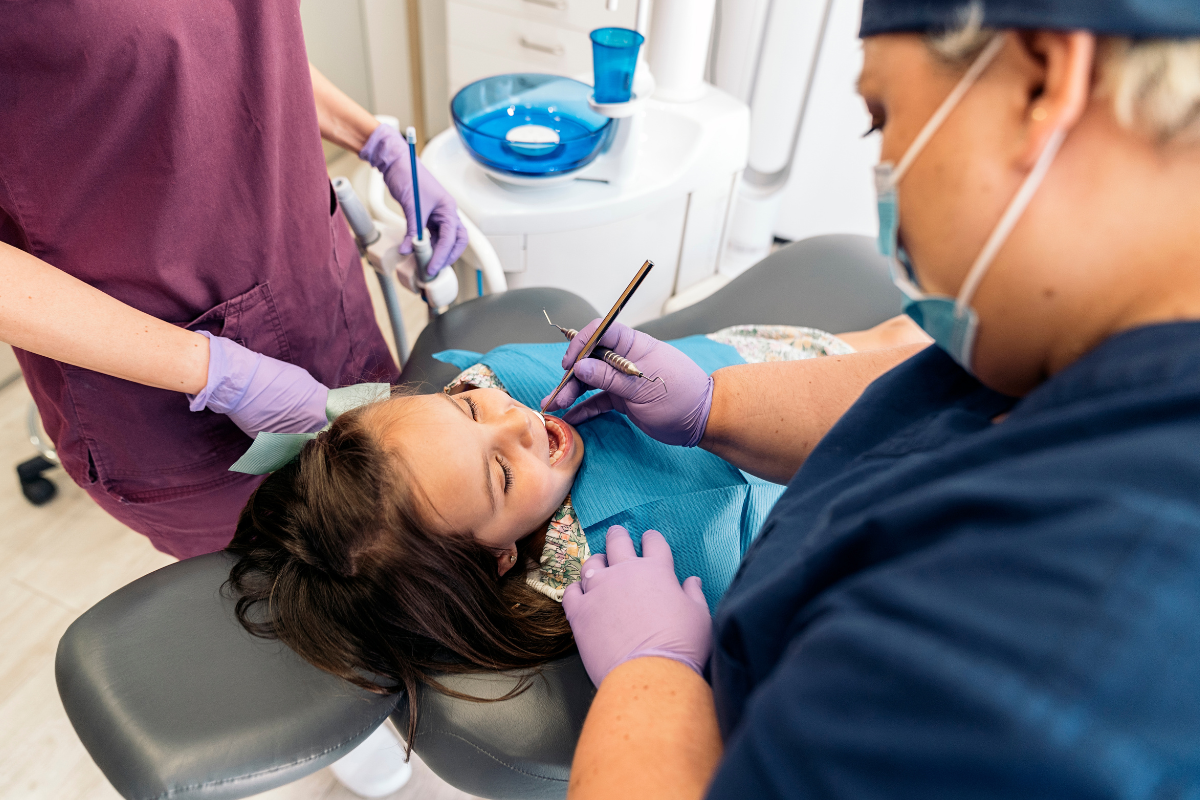
The American Academy of Pediatric Dentistry recommends a first dental visit by age one. Early visits help detect issues caused by dryness, habits, or feeding patterns.
A pediatric dentist focuses on:
- Preventive care
- Parent education
- Monitoring growth and development
These visits build trust and reduce dental anxiety later.
Creating a Baby-Friendly Oral Care Routine
Consistency builds comfort. Babies respond well to routines, especially when oral care feels calm and predictable.
Helpful habits include:
- Brushing at the same times daily
- Singing or talking during cleaning
- Letting your baby hold a toothbrush safely
Positive routines create lifelong healthy habits.
Conclusion: Protecting Little Smiles in a Dry Climate
Caring for your baby’s gums and teeth in a dry climate requires attention, consistency, and expert guidance. From early gum care to hydration and regular dental visits, small daily actions make a lasting difference.
If you are looking for personalized, gentle care in Dallas, TX 75252, we welcome you to visit our dental office at Grin Pediatric Dentistry. Our team is here to support your child’s oral health from the very beginning.
Schedule an appointment today and give your baby the best start toward a healthy smile.
Frequently Asked Questions (FAQs)
When should I take my baby to a pediatric dentist?
You should schedule your baby’s first dental visit by their first birthday or when the first tooth appears, whichever comes first. Early visits help your pediatric dentist monitor oral development and guide you on proper home care. They can also help your child become comfortable with dental visits from an early age.
Can dry weather cause cavities in babies?
Yes, dry weather can increase the risk of cavities in babies. Dry air reduces saliva, which normally helps wash away bacteria and protect teeth. Without enough saliva, plaque can build up more easily if oral care is not consistent.
How often should I clean my baby’s gums?
You should clean your baby’s gums after feedings and before bedtime, even before teeth erupt. Gently wiping the gums removes bacteria and milk residue that can cause irritation. This habit also helps prepare your baby for brushing later on.
Is fluoride toothpaste safe for babies?
Yes, fluoride toothpaste is safe for babies when used correctly. Use only a rice-sized amount and brush under close parental supervision. Fluoride strengthens tooth enamel and helps prevent cavities as teeth begin to grow.
Do humidifiers help with oral health?
Yes, humidifiers can help improve oral health, especially in dry climates. Adding moisture to the air helps prevent dry mouth and gum irritation overnight. This can be especially helpful for babies who sleep with their mouths open.
How often should babies see a pediatric dentist?
Most babies should see a pediatric dentist every six months for routine checkups. These visits allow the dentist to track dental growth and catch any issues early. Your dentist may recommend a different schedule based on your child’s needs.

New Patients & Emergency Appointments Welcome!
