


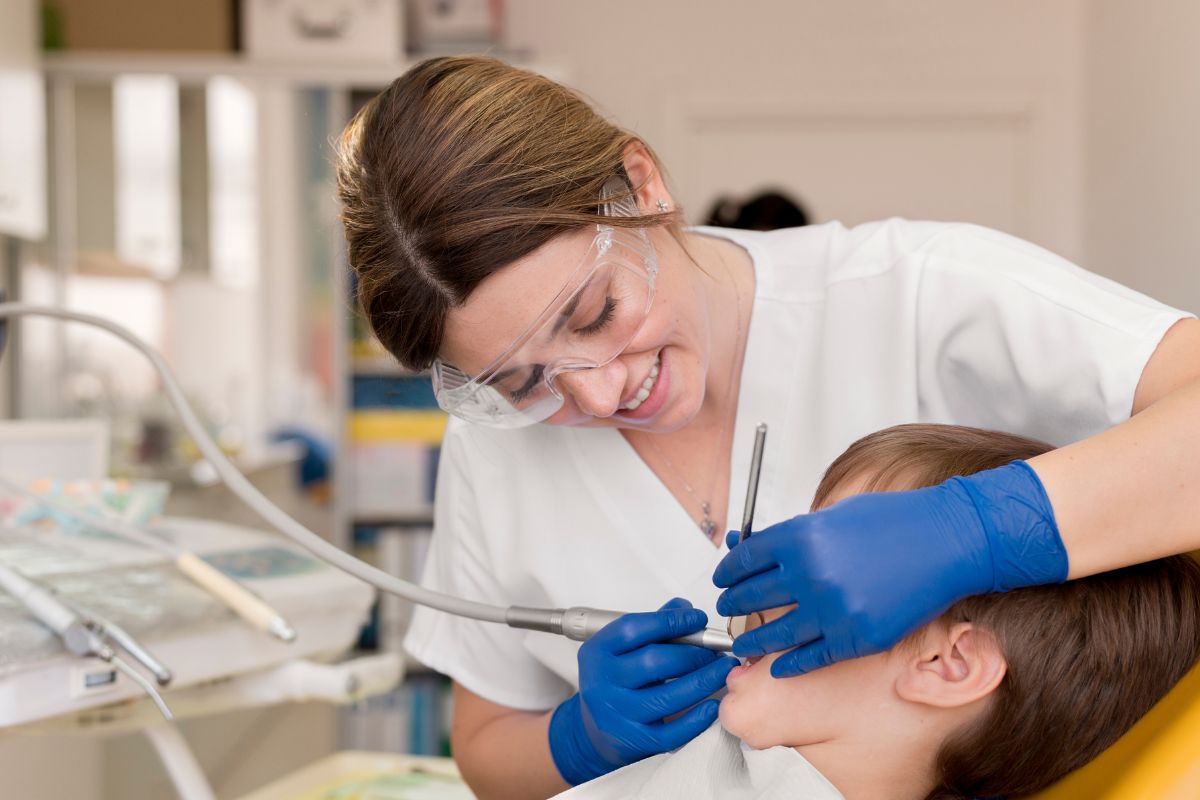
Imagine your little one giggling through a dental checkup instead of hiding under the chair. Dental visits can spark big fears in kids. These worries often lead to wiggles, cries, or even injuries during treatment. But what if a gentle calm could change that? Sedation dentistry steps in as a smart ally. It keeps young smiles safe while building happy memories. Let’s dive into how this approach shields kids from harm and turns trips to the dentist into fun adventures.
What Exactly is Dental Trauma in Children?
Dental trauma hits hard for kids. It includes chipped teeth, knocked-out incisors, or root injuries from falls, sports, or rough play. These mishaps don’t just hurt now—they can affect speech, eating, and confidence later.
In the U.S., stats paint a clear picture. About 30% of children face a dental injury by age 14. Sports alone cause up to 39% of cases, with 15-25% of school-age kids reporting some form of trauma. Early intervention matters. Untreated issues lead to infections or misalignment.
Here’s a quick look at key numbers:
| Statistic | Details | Source Insight |
|---|---|---|
| Prevalence by Age 14 | 30% of kids experience injury | American Academy of Pediatrics |
| Sports-Related Cases | Up to 39% of all traumas | Scripps Pediatric Dentistry |
| Preschoolers Affected | 15% have enamel fractures | European epidemiological studies |
| School-Age Kids | 20-25% report injuries | BMC Oral Health Journal |
These figures show why prevention starts young. Sedation plays a key role by making treatments smoother and less scary.
The Basics of Sedation Dentistry for Young Patients
Sedation dentistry uses mild calming agents to help kids relax. It targets dental anxiety—a top trigger for movement during procedures. Think of it as a cozy blanket for the nerves.
Kids with special needs or sensory issues benefit most. It lets dentists work precisely without sudden jerks. This cuts risks like slips or bites on tools. Plus, it wraps up care in fewer visits. No dragging out the stress.
Common signs a child might need it? Fidgeting at home, past bad experiences, or trouble sitting still. Spot these early. A chat with your provider sets the stage for calm.
How Sedation Cuts Down on Trauma Risks
Fear fuels chaos in the chair. A scared kid might thrash, raising the chances of accidental pokes or falls. Sedation dials that down. It promotes stillness, so tools stay safe.
Take fillings or extractions. Without calm, a twist could nick gums. Sedation ensures focus. It also builds trust. Positive visits mean kids return willingly. No snowballing fears.
For active treatments like sealants or crowns, this matters doubly. Precise work prevents complications. Parents see it too—fewer tears, quicker recoveries.
In bustling areas like Dallas, families seek experts who blend care with calm. Our sedation dentist in Dallas, TX, knows local needs. They tailor plans to keep Texas kids smiling big.
Exploring Types of Sedation Options
Not all sedation fits every scenario. Choices range from light to deeper levels. Each suits different anxiety levels and procedure lengths.
Nitrous Oxide: The Gentle Starter
Laughing gas tops the list for mild cases. Inhaled through a fun mask, it brings quick relaxation. Kids feel floaty, not foggy. Effects fade fast—often in minutes.
It’s ideal for cleanings or short fixes. No needles. Just pure ease. Many practices start here for building comfort.
Oral Sedation: A Pill for Peace
A simple swallow does the trick. This mid-level option drowsies kids without full sleep. Great for longer sessions like multiple fillings.
Recovery takes hours, but it’s smooth. Pair it with stories or shows for extra fun.
IV Sedation: Deeper Calm When Needed
For extensive work, IV delivers steady control. Administered via vein, it ensures deep rest. Dentists monitor every beat.
Our practice extends this expertise to nearby spots. At the Plano, TX branch, we prioritize IV sedation safety for kids. Trained teams watch vitals closely. This setup handles complex cases with zero hitches, giving North Texas families peace of mind.
Prioritizing Safety in Pediatric Sedation
Safety isn’t optional—it’s core. Providers follow strict guidelines from bodies like the American Academy of Pediatric Dentistry. Monitoring includes oxygen levels, heart rate, and breathing.
Studies back this up. Respiratory issues occur in just 5.5-31.7% of IV cases, mostly minor. Failed sedations? Rare at 5.8%. Propofol, a common agent, shines in recovery speed without big risks.
Choose board-certified spots. They use emergency gear and team up with anesthesiologists. Pre-visits screen health history. Post-care tips? Light meals and rest.
Parents, ask about protocols. Knowledge eases your mind, too.
Trending FAQs on Sedation Dentistry for Kids
Curious parents often turn to Google for clarity. Here are the top questions, pulled from common searches, with straightforward answers:
- Is sedation dentistry safe for young children? Yes, when done by experts. Mild forms like nitrous carry low risks. Deeper ones include constant monitoring to catch issues early.
- Will my child remember the procedure? Often not fully. Light sedation blurs details. Deeper types wipe most memories, sparing future fears.
- What types of sedation are best for kids? Nitrous for mild anxiety. Oral for moderate needs. IV for big treatments. Your dentist picks based on age and health.
- How long does recovery take? Nitrous? Minutes. Oral? A few hours. IV? Up to a day for full alertness. Always plan a ride home.
- Can kids with medical conditions get sedation? Absolutely, with tweaks. Providers review histories to customize safely.
These cover the buzz. They show sedation’s reliability.
Real Benefits Beyond Trauma Prevention
Sedation does more than dodge dangers. It tackles root causes like dental phobia. Kids finish treatments fully, avoiding half-done jobs that worsen issues.
For special needs families, it’s a lifeline. Sensory overload fades. Care happens without battles.
Actionable tip: Prep with books on dentist visits. Role-play at home. Combine with sedation for wins.
If you are searching for a “pediatric dentist near me,” look for those versed in gentle techniques. They turn “scary” into “storytime.”
Safe Smiles Start Here
Sedation dentistry transforms kids’ dental care. It nips trauma in the bud, fosters trust, and keeps grins wide. From stats to stories, the proof is clear—calm kids heal best.
Ready to ease worries? Call (972) 608-4746 to schedule an appointment. Let’s make your child’s next visit a breeze.
New Patients & Emergency Appointments Welcome!
