


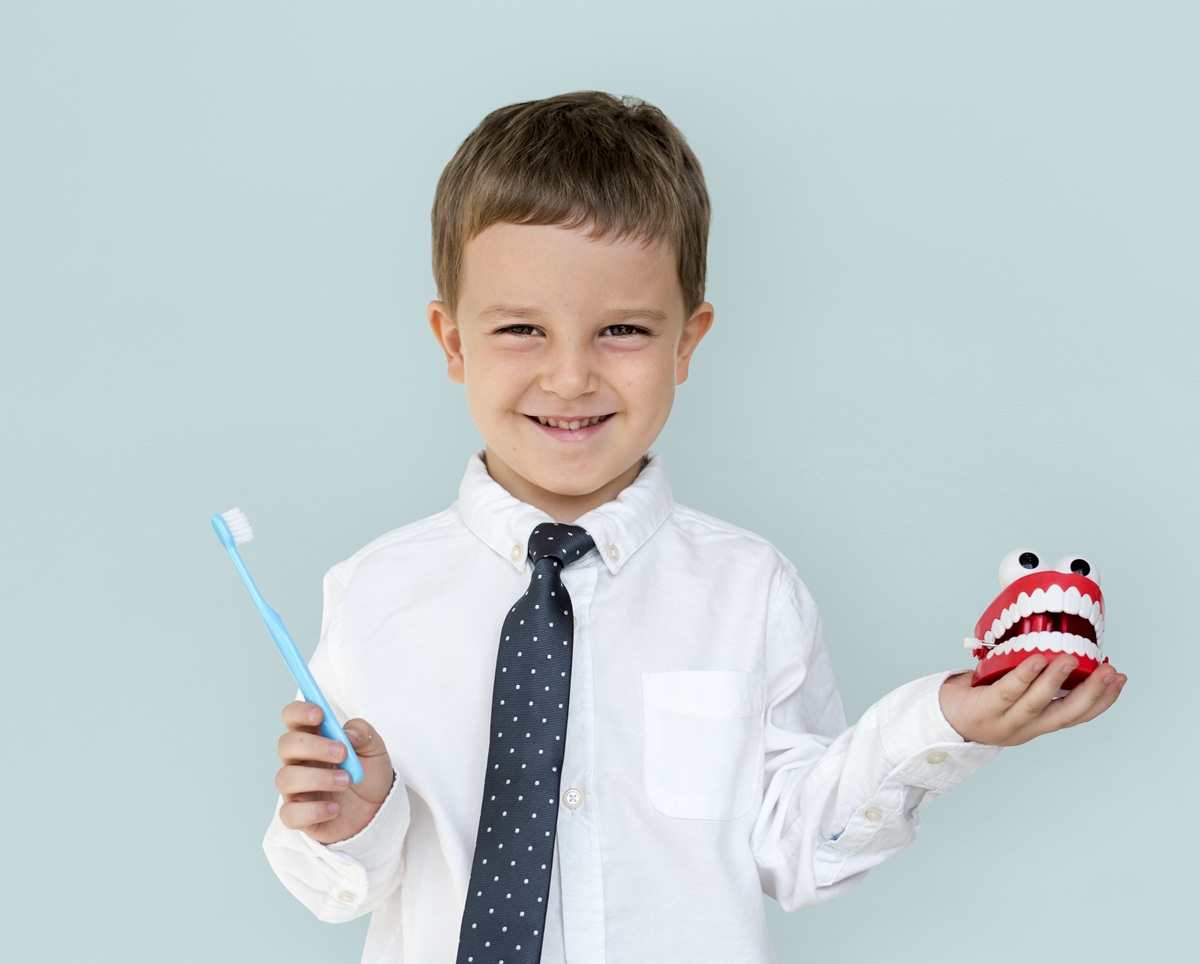
As a parent, you’ve probably stood in the toothbrush aisle staring at dozens of options and wondering, “Does my child really need an electric toothbrush, or is a regular one enough?”
It’s a common question, and the answer isn’t always as straightforward as you might think.
The good news is that both electric and manual toothbrushes can keep your child’s smile healthy when used correctly. The challenge is figuring out which one your child is more likely to use consistently and effectively.
If you’re trying to make the best choice for your child’s oral health, this guide will help you understand the pros and cons of each option and what factors matter most.
For families seeking guidance from a trusted pediatric dentist in Plano, understanding the differences between these toothbrushes can make daily brushing routines easier and more effective.
Why Brushing Technique Matters More Than the Brush
Before comparing electric and manual toothbrushes, it’s important to understand one key fact:
The best toothbrush is the one your child uses properly every day.
Plaque begins building up on teeth within hours after brushing. If it isn’t removed regularly, it can lead to:
- Cavities
- Gum inflammation
- Bad breath
- Tooth discoloration
- More complex dental problems later
Whether your child uses a manual or electric toothbrush, brushing twice daily for two minutes is essential.
Benefits of Electric Toothbrushes for Kids
Electric toothbrushes have become increasingly popular among families, and for good reason.
1. Makes Brushing More Fun
Many electric toothbrushes feature:
- Built-in timers
- Music or sound effects
- Favorite cartoon characters
- Interactive apps
For children who dislike brushing, these features can turn a chore into something they actually enjoy.
2. Built-In Timers Encourage Better Habits
Most kids underestimate how long two minutes feels.
Electric toothbrushes often include timers that help children brush for the dentist-recommended amount of time.
3. Helps Children with Limited Dexterity
Younger children may struggle to make the small circular motions needed for effective manual brushing.
An electric toothbrush does much of the work automatically, making it easier to remove plaque.
4. Can Improve Plaque Removal
Studies have shown that certain electric toothbrushes can remove more plaque than manual brushes when used properly.
This can be especially helpful for children who tend to rush through brushing.
Benefits of Manual Toothbrushes for Kids
Manual toothbrushes remain a great option for many families.
1. Affordable and Easy to Replace
Manual brushes cost significantly less than electric models.
Parents can easily replace them every three months or sooner if the bristles become worn.
2. Travel-Friendly
No charging cords.
No batteries.
No concerns about forgetting a charger during vacations or weekend trips.
3. Teaches Proper Brushing Technique
Manual toothbrushes help children learn the motions and skills needed to clean every area of their mouth.
Developing these habits early can benefit oral health for years to come.
4. Plenty of Kid-Friendly Options
Today’s manual toothbrushes come in colorful designs, fun themes, and child-sized handles that make brushing easier.
Which Option Is Better for Different Age Groups?
Toddlers (Ages 1–3)
A soft-bristled manual toothbrush is usually the best choice.
Parents should perform most of the brushing while helping children become comfortable with the routine.
Preschoolers (Ages 4–6)
Both options can work well.
Some children become more interested in brushing when using an electric toothbrush with lights or sounds.
School-Age Children (Ages 7–12)
Electric toothbrushes often become more effective during this stage because children are brushing more independently.
The built-in timers and automated brush movements can improve consistency.
Teenagers
For busy teens balancing school, sports, and activities, electric toothbrushes can help maintain good oral hygiene when motivation is low.
Schedule an appointment today to receive personalized oral health recommendations and keep your child’s smile on the path to lifelong wellness.
Signs Your Child May Benefit from an Electric Toothbrush
Consider switching to an electric model if your child:
- Frequently gets cavities
- Struggles to brush for two full minutes
- Has braces or orthodontic appliances
- Has difficulty with hand coordination
- Rushes through brushing
- Finds brushing boring
An electric toothbrush can provide extra support while healthy habits continue to develop.
What Dentists Want Parents to Know
Parents sometimes assume an expensive toothbrush automatically guarantees cleaner teeth.
That’s not always true.
A child using a manual toothbrush correctly twice a day may have better oral health than a child using a premium electric toothbrush inconsistently.
Focus on:
- Brushing twice daily
- Using fluoride toothpaste
- Replacing brushes regularly
- Maintaining routine dental visits
- Monitoring brushing until children can clean thoroughly on their own
In growing communities where families often balance school activities, sports schedules, and busy after-school routines, creating a simple brushing habit is often more important than choosing the most advanced toothbrush.
How to Choose the Right Toothbrush
When shopping for your child, look for:
Soft Bristles
Soft bristles effectively clean teeth without damaging gums.
Child-Sized Brush Heads
Smaller brush heads fit comfortably into growing mouths.
Comfortable Handles
Children should be able to grip the brush easily.
ADA Acceptance
Look for toothbrushes that meet established safety and effectiveness standards.
When to Talk with a Dental Professional
Every child has different oral health needs.
Some children with braces, special healthcare needs, or a history of cavities may benefit from an electric toothbrush, while others do perfectly well with a manual brush.
Regular dental visits allow parents to receive personalized recommendations based on their child’s brushing habits, cavity risk, and overall oral development.
If you have questions about which toothbrush is best for your child, a knowledgeable pediatric dentist in Plano can evaluate your child’s needs and provide guidance tailored to their smile.
At Grin Pediatric Dentistry, we believe great oral health starts with practical habits that fit into real family life. Whether your child uses an electric toothbrush or a manual one, our team is here to help parents build healthy routines that support strong, confident smiles.
Frequently Asked Questions
Are electric toothbrushes safe for children?
Yes. Most electric toothbrushes designed for children are safe when used according to the manufacturer’s age recommendations.
At what age can a child start using an electric toothbrush?
Many children can begin using age-appropriate electric toothbrushes around age three, with parental supervision.
Do electric toothbrushes prevent cavities better?
They can help remove plaque more effectively, but cavity prevention still depends on consistent brushing, fluoride use, healthy eating habits, and regular dental visits.
Is a manual toothbrush enough for kids?
Absolutely. A soft-bristled manual toothbrush used correctly twice daily can effectively clean teeth and maintain oral health.
How often should my child replace their toothbrush?
Replace toothbrushes every three months or sooner if the bristles become frayed or worn.
New Patients & Emergency Appointments Welcome!
