


Imagine your teenager dreading a dental visit. Anxiety builds, heart races, and the thought of drills sends shivers. Sedation offers relief, turning a stressful appointment into a calm experience. But as a parent, you wonder: Does this calm come at a price down the road? Let’s unpack this together. We’ll explore the science, address your worries, and highlight ways to keep your teen smiling confidently.
Understanding Sedation in Teenage Dental Care
Teens face unique dental challenges. Braces, infected teeth, or cavities demand thorough work. Dental anxiety hits hard during these years, often rooted in past bad experiences or peer stories.
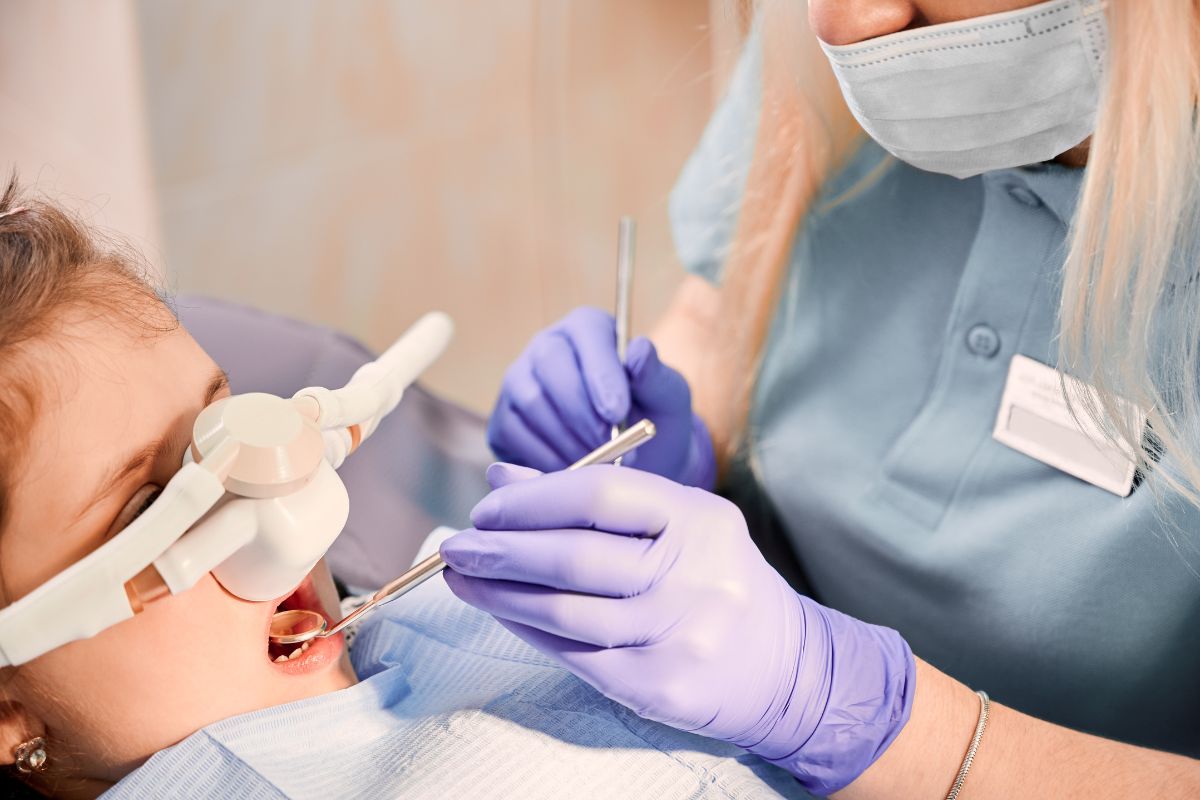
Sedation steps in as a gentle ally. It ranges from mild nitrous oxide—think laughing gas—for light relaxation to deeper options like oral meds or IV for complex cases. For developing bodies, providers tailor doses carefully. This ensures comfort without overwhelming the system.
Why teens specifically? Their brains and bodies grow fast. Hormones fluctuate, making stress responses stronger. A relaxed state lets dentists focus on precision, preventing rushed fixes that could lead to future issues.
Parents often ask if this interferes with growth. Rest assured, guidelines from dental associations stress monitored use. Short procedures mean quick recovery, aligning with school schedules.
Short-Term Reactions to Watch For
Right after sedation, expect some grogginess. Your teen might feel sleepy or a bit woozy. That’s normal—the meds work to ease nerves, not knock them out cold.
Hydration helps here. Offer clear fluids once alert. Light snacks help avoid tummy upset. Most bounce back within hours, ready for homework or hangouts.
Monitor breathing and alertness during recovery. A quiet spot at home works best. Avoid screens or rough play until fully clear-headed.
These reactions fade fast. They highlight why post-care instructions matter. Follow them, and your teen sails through smoothly.
Potential Long-Term Concerns – And Why They’re Rare
Now, the big question: do these sessions echo years later? Research shows minimal lasting impact for most. Brains in teens show resilience, bouncing back from brief exposures.
Cognitive tweaks? Studies on repeated deep sedation in young kids flag rare memory dips. For teens, single or occasional uses rarely trigger this. Focus stays on oral health gains, like better compliance leading to stronger teeth.
Side effects of sedation typically stay short-lived, like mild headaches or dry mouth. Long-term, no widespread links to developmental delays emerge. Experts track this closely, with protocols minimizing risks.
Variability plays in. Healthy teens tolerate well. Those with conditions need extra vetting. Always disclose medical history upfront.
Safety Stats in Pediatric Dentistry
Data reassures. Sedation’s track record shines in youth care. Here’s a quick look at key figures from recent studies.
| Metric | Statistic | Source Insight |
|---|---|---|
| Adverse Events Rate | 1 in 12 cases (mostly minor) | JADA study on deep sedation in clinics |
| Serious Complications | <1% overall | PMC review of propofol use in kids |
| Recovery Fullness | 95% within 24 hours | Pediatric dental surveys |
| Success Rate for Procedures | 98% completion | Efficacy studies on IV sedation |
These numbers underscore safety when pros handle it. Minor hiccups like nausea hit 10-20%, but resolve quickly. No spikes in long-term neuro issues for adolescent groups.
Trending FAQs on Sedation for Teens
Parents turn to Google for clarity. Based on top searches, here are frequent questions with straightforward answers.
- Is dental sedation safe for teenagers?
Yes, when administered by trained specialists. Monitoring equipment and vital checks keep risks low. Teens recover faster than toddlers due to mature systems. - What are the most common types of sedation for dental work in kids and teens?
Nitrous oxide for mild cases, oral sedatives for moderate, and IV for deep needs. Choice depends on procedure length and anxiety level. - How long do the effects of dental sedation last in adolescents?
Mild types wear off in 30-60 minutes. Deeper ones may linger 2-4 hours, with full alertness by next day. - When is sedation recommended for teen dental procedures?
For high anxiety, special needs, or lengthy treatments like extractions. It prevents pain and builds positive associations. - What should I do to prepare my teen for sedation dentistry?
Discuss openly, fast if needed, and arrange a ride home. Light meals beforehand ease recovery.
These cover core curiosities. They show sedation as a tool, not a default.
Navigating teen dental care feels daunting. Yet, informed choices empower you. Consider factors like your child’s temperament and procedure scope. Chat with providers about alternatives first—behavior techniques or phased visits.
If you are searching for a pediatric dentistry serving in Plano, TX, look for spots with certified sedation training and teen-focused vibes. Local experts blend compassion with cutting-edge methods, easing worries naturally.
One standout option? Teams offering tailored plans for adolescents, ensuring every visit builds trust.
Ready to prioritize your teen’s oral health? Schedule a consultation today at (972) 608-4746. Let’s chat about options that fit your family. Your teen deserves stress-free smiles—and a brighter future starts with one relaxed appointment.
New Patients & Emergency Appointments Welcome!
