


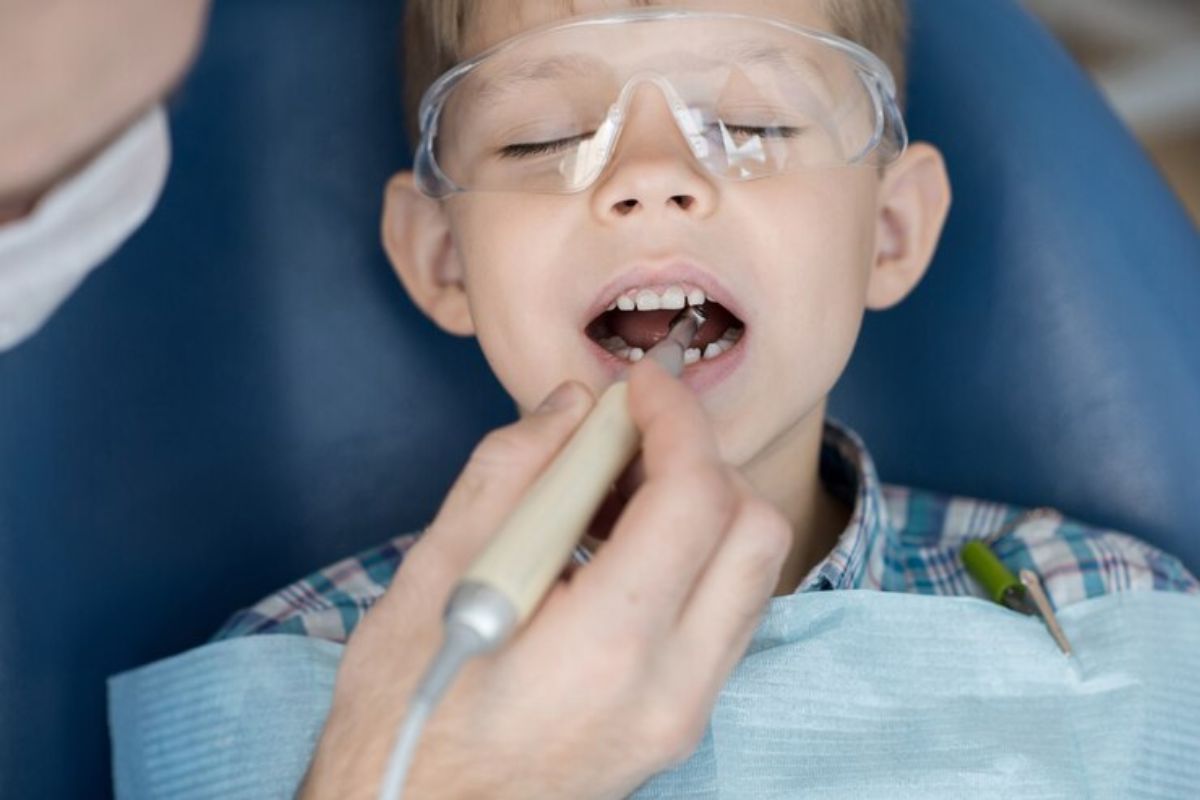
Third molars, commonly referred to as wisdom teeth, usually erupt during late adolescence or early adulthood. However, it’s common for these teeth to start causing problems in children before they fully erupt. As a parent, it’s crucial to be aware of the potential risks, especially infections, that can arise from wisdom teeth.
These infections can cause excruciating pain, swelling, and even more complicated dental problems if they are not addressed. If you’re concerned about the dental health of your child, then consult with a reliable pediatric dentist in Dallas. It can help identify potential problems early and keep the smile of your child healthy.
Signs and Symptoms of Wisdom Tooth Infections in Children
Parents play a vital role in identifying early signs of wisdom tooth infections. Early detection can prevent discomfort and ensure your child gets the necessary care. Below are some common signs and symptoms that you should be on the lookout for:
Aching or sensitivity at the back of the mouth
One of the first signs of a wisdom tooth infection is discomfort in the back of the mouth. Your child may complain of pain or tenderness near the gums where the wisdom teeth are trying to erupt.
Swelling and Redness of the Gums
If the gums around the wisdom tooth are red and swollen, it may indicate an infection. The swelling can sometimes spread to the jaw or cheeks, causing visible facial changes.
Bad Breath or Unpleasant Taste
An infection often leads to bacteria build-up, causing bad breath or a bad taste in the mouth. If your child frequently complains about this issue, it’s worth investigating further.
Difficulty Chewing or Opening the Mouth
Infections can make it uncomfortable for your child to chew food or fully open their mouth. This can indicate that the disease has spread and needs immediate attention.
Fever or Swollen Lymph Nodes
If the infection is severe, your child may develop a fever or swollen lymph nodes in the neck. These are signs that the body is fighting the disease, and seeking dental care is essential.
How to Prevent Wisdom Tooth Infections in Children?
When it comes to dental health, prevention is always preferable to treatment. As a parent, you can take several steps to help prevent wisdom tooth infections in your child before they occur. Here’s how:
Regular Dental Checkups
Schedule regular dental checkups with a specialist in pediatric dentistry in Dallas to monitor the oral health of your child and track the development of wisdom teeth. A pediatric dentist can perform X-rays to check whether the wisdom teeth pose a risk for infection. Early detection is critical to preventing future problems.
Good Oral Hygiene Habits
Teaching your child good oral hygiene is essential in preventing wisdom tooth infections. Ensure they brush their teeth twice daily and floss regularly, especially near the back molars where wisdom teeth are located. This helps to remove food particles and bacteria that could lead to infections.
Prompt Attention to Symptoms
If your child complains of any discomfort, swelling, or other symptoms related to their wisdom teeth, don’t delay in seeking professional help. Early intervention can prevent the illness from worsening.
Consider Preemptive Removal
Sometimes, your dental practitioner may recommend wisdom tooth extraction before the teeth fully emerge, significantly if they are impacted or likely to cause problems later. This proactive approach can prevent the teeth from becoming infected.
Encourage a Healthy Diet
A well-balanced diet that includes plenty of water, fruits, and vegetables can support the overall dental health of your child. Avoid sugary snacks and drinks that can lead to cavities or gum infections, further complicating the wisdom tooth issue.
Oversee Proper Brushing Techniques
Children may struggle to reach the farthest corners of their mouths while brushing. Ensure your child knows the correct way to brush, especially around the wisdom teeth area. Consider using a toothbrush with a smaller head that can easily access hard-to-reach areas.
What Happens After Wisdom Tooth Extraction?
If wisdom tooth extraction becomes necessary, you may wonder what to expect after the procedure. The process is straightforward but requires careful post-operative care to ensure proper healing. Your child will likely experience some swelling and discomfort for a few days following the surgery. To help with recovery:
- Use ice packs to reduce swelling.
- Offer soft foods and liquids to avoid putting pressure on the healing gums.
- Encourage your child to rinse their mouth with salt water to clean the area.
- Follow all post-operative care instructions from your dental practitioner.
- With the proper care, your child will recover quickly and be free from the risk of future infections related to wisdom teeth.
Preventing wisdom tooth infections in children requires a proactive approach, from regular checkups to good oral hygiene habits. Early detection of symptoms and indicators can also help resolve issues before they worsen. Consult a reliable child dentist if you’re worried about your child because of wisdom teeth.
A reliable dental practitioner can help you make informed decisions about the dental care of your child. If your child may need a wisdom tooth extraction in Dallas, acting fast is essential. Schedule an appointment today to ensure your child receives the best care for their dental needs.


New Patients & Emergency Appointments Welcome!
