


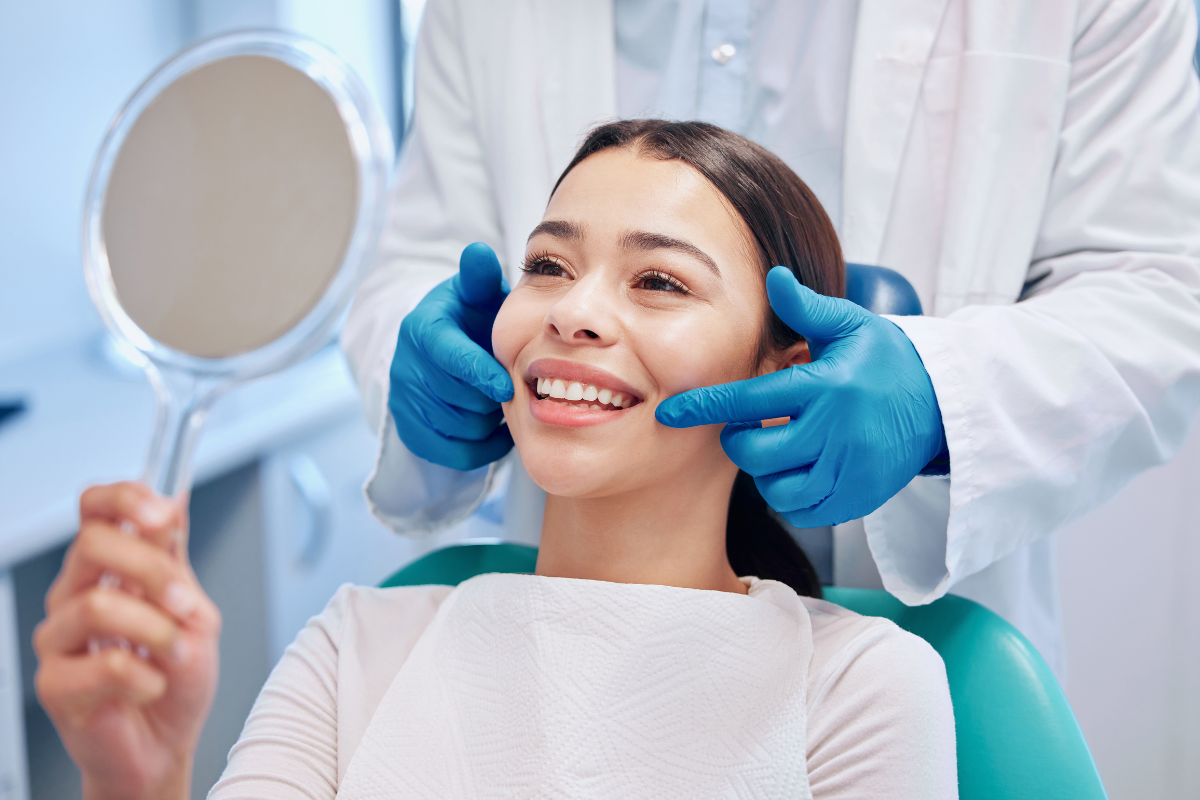
If your child or teenager wants a brighter smile, you may be wondering whether a professional dental cleaning should come before teeth whitening. It is a reasonable question, especially when you notice yellowing, surface stains, or uneven tooth color that brushing alone does not seem to improve.
In many cases, a dental cleaning is a sensible first step because it removes plaque, tartar, and some surface stains. However, cleaning and whitening serve different purposes. A cleaning improves oral hygiene and can make teeth look cleaner, while whitening uses bleaching agents to change the shade of natural teeth.
For families exploring teeth whitening in Plano, the best starting point is understanding what is causing the discoloration and whether whitening is appropriate for the child’s age, dental health, and stage of development. At Grin Pediatric Dentistry, we encourage parents to discuss these questions with a dental professional before trying whitening products at home.
Should Your Child Get a Dental Cleaning Before Teeth Whitening?
A professional dental cleaning may be recommended before whitening, particularly when plaque, tartar, or surface stains are contributing to a dull appearance. It also allows the dental team to assess the teeth and gums before considering cosmetic treatment.
However, a cleaning is not a requirement that automatically makes every child a candidate for whitening. Children and teens need individualized guidance because their teeth are still developing, and the cause of discoloration matters.
A dental professional can help determine whether your child’s teeth would benefit from:
- A routine dental cleaning to remove plaque, tartar, and some surface stains.
- Improved brushing and flossing habits to reduce plaque buildup.
- An examination to identify cavities, enamel changes, or other causes of discoloration.
- Additional evaluation if one tooth looks noticeably darker than the others.
- A discussion about whether cosmetic whitening is appropriate or whether another approach would be more suitable.
The important point is to identify the reason for the color change before choosing a treatment.
What Is the Difference Between a Dental Cleaning and Teeth Whitening?
Although both treatments can improve the appearance of a smile, they work differently.
What Does a Professional Dental Cleaning Do?
A dental cleaning focuses on oral hygiene. During the appointment, a dental hygienist or other qualified dental professional removes plaque and hardened tartar that brushing and flossing cannot fully eliminate.
Depending on the child’s needs, the cleaning may also include polishing to remove certain external stains from the tooth surfaces.
A cleaning can help with discoloration caused by accumulated plaque or surface staining. For example, some children develop visible stains around orthodontic appliances or in areas that are difficult to clean thoroughly.
However, cleaning does not bleach the natural tooth color. If the teeth look yellow because of their natural shade or because of discoloration within the tooth, a cleaning may not create the change your child expects.
What Does Teeth Whitening Do?
Teeth whitening uses bleaching ingredients, commonly hydrogen peroxide or carbamide peroxide, to lighten the color of natural teeth.
Unlike a routine cleaning, whitening is designed to change tooth shade rather than simply remove buildup from the surface.
Whitening does not work equally well for every type of discoloration. It also does not change the color of fillings, crowns, or other tooth-colored restorations.
For children and teens, whitening should not be treated as a routine step after every cleaning. A dentist should evaluate whether it is appropriate and explain the potential benefits, limitations, and risks.
Why a Cleaning May Be Enough to Brighten Your Child’s Smile
Parents sometimes assume that yellow or dull-looking teeth need whitening. In some cases, the underlying issue is plaque or surface staining rather than a need for bleaching.
A professional cleaning may help improve appearance when discoloration is related to:
- Plaque buildup: A sticky film can accumulate when brushing and flossing do not remove it effectively.
- Surface stains: Certain foods, drinks, and other substances can leave stains on the outer surfaces of teeth.
- Tartar deposits: Plaque that hardens into tartar cannot be removed with a toothbrush alone and requires professional removal.
- Areas that are difficult to clean: Crowded teeth, orthodontic appliances, and inconsistent brushing can make some areas harder to keep clean.
A cleaning may improve the appearance of these teeth without exposing them to bleaching agents.
If discoloration remains after cleaning, the dentist can assess whether it is related to natural tooth shade, enamel changes, an injury, or another issue.
When Might a Child Need More Than a Dental Cleaning?
Not every color change is caused by plaque or surface stains. If your child’s teeth remain discolored after a cleaning, the next step should be an evaluation rather than immediately trying a stronger whitening product.
Natural Differences Between Baby Teeth and Permanent Teeth
Permanent teeth often appear more yellow than baby teeth. This can be especially noticeable when a child’s new permanent teeth erupt beside their smaller, whiter baby teeth.
The difference is often related to the natural structure of the teeth, including the way enamel and the underlying dentin affect their appearance. It does not automatically mean the permanent teeth are dirty or unhealthy.
If your child has recently developed permanent teeth, ask the dentist whether the color difference is consistent with normal development before considering cosmetic treatment.
White Spots or Changes in Enamel
White spots may develop for several reasons, including changes in the enamel. They can sometimes be associated with areas affected by demineralization, fluorosis, or other enamel conditions.
These spots may not respond to ordinary cleaning in the same way as surface stains. Whitening may also affect the contrast between different areas of a tooth rather than making the color more uniform.
A dentist can examine the spots and explain what they may indicate. Treatment depends on the underlying cause, so whitening should not be assumed to be the right solution.
One Tooth That Looks Darker Than the Others
A single dark or gray tooth deserves particular attention, especially if the color change occurred suddenly or followed an injury.
Discoloration affecting one tooth can have causes different from general yellowing. A cleaning may not address the underlying problem.
Contact your child’s dentist for an evaluation, particularly if the tooth is painful, sensitive, or has changed color after trauma.
Cavities or Other Dental Problems
If a child has untreated tooth decay, damaged enamel, or gum concerns, the dentist may recommend addressing those problems before considering cosmetic treatment.
Whitening is not a substitute for treating cavities or other dental conditions. Bleaching products may also cause discomfort or irritation in some circumstances, so the child’s oral health should be assessed first.
Is Teeth Whitening Appropriate for Children and Teens?
This depends on the child’s age, dental development, oral health, and the reason for wanting a brighter smile.
For younger children, natural tooth color and the transition from baby teeth to permanent teeth often explain concerns about yellowing. Cosmetic bleaching is not usually the first response to these changes.
For teenagers, the decision still requires individual consideration. A dentist may assess whether the permanent teeth are sufficiently developed, whether the discoloration has an identifiable cause, and whether the potential benefits outweigh the risks.
Parents should avoid assuming that a whitening product marketed to adults is appropriate for a child. Overuse or incorrect application of whitening products can cause tooth sensitivity and gum irritation.
Before choosing whitening, ask the dental professional:
- What is causing my child’s tooth discoloration?
- Could a cleaning or changes to oral hygiene improve the appearance?
- Is whitening appropriate for my child’s age and dental development?
- Could whitening make any white spots or uneven areas more noticeable?
- What alternatives should we consider?
These questions help keep the focus on your child’s dental health rather than achieving a particular shade.
What Should Parents Expect Before a Whitening Recommendation?
A professional evaluation should consider more than how white your child wants their teeth to look.
1. An Examination of the Teeth and Gums
The dentist checks for signs of decay, gum inflammation, enamel concerns, and other conditions that could affect treatment decisions.
2. A Review of the Discoloration
The dental team considers whether the color change appears to be caused by external stains, natural tooth shade, enamel changes, or another factor.
3. A Discussion of Appropriate Options
Depending on the findings, the recommendation may be a routine cleaning, improved home care, further evaluation, or a discussion of cosmetic options when appropriate.
4. Clear Instructions for Home Care
Your child may benefit from guidance on brushing technique, flossing, and cleaning around orthodontic appliances. These habits help control plaque and support oral health, although they will not change every type of natural tooth discoloration.
At Grin Pediatric Dentistry, our team can help families understand their child’s dental needs and discuss suitable next steps rather than assuming that every discoloration concern requires whitening.
How Can Your Child Maintain a Cleaner, Brighter Smile?
Good daily habits can help prevent plaque buildup and reduce some forms of surface staining.
Encourage your child to:
- Brush twice a day with age-appropriate fluoride toothpaste.
- Floss daily, with help when needed.
- Clean carefully around braces and other orthodontic appliances.
- Drink water regularly, particularly after meals and snacks.
- Attend recommended dental checkups and professional cleanings.
- Tell a parent or dental professional about new sensitivity, pain, or noticeable color changes.
Avoid using household substances or unapproved whitening mixtures on your child’s teeth. Products described as natural or gentle are not automatically safe or effective for children.
If your child remains concerned about tooth color despite good oral hygiene, a dental evaluation can help identify the cause and determine whether further treatment is needed.
FAQs About Dental Cleaning Before Teeth Whitening
Does a dental cleaning make teeth whiter?
A cleaning can remove plaque, tartar, and some surface stains, which may make teeth look brighter. It does not bleach the natural tooth color, so it may not change discoloration that originates within the tooth.
Should my child have a cleaning before using whitening strips?
Start by discussing your child’s tooth color and oral health with a dentist. A cleaning may help remove surface buildup, but it does not automatically make whitening strips appropriate for a child. Age, dental development, and the cause of discoloration all matter.
Can a cleaning remove yellow teeth?
It can help when the yellow appearance is partly caused by plaque, tartar, or surface stains. If the color reflects the natural shade of permanent teeth or another cause of discoloration, a cleaning may not make a substantial difference.
Is professional teeth whitening safe for teenagers?
Suitability depends on the teenager’s dental development, oral health, and the type of discoloration. A dentist should evaluate these factors and discuss the potential risks and benefits before recommending whitening.
How long should you wait between a dental cleaning and teeth whitening?
There is no single waiting period that applies to everyone. The timing depends on the child’s oral health, the type of treatment being considered, and the dentist’s recommendations. Follow the instructions provided by the treating dental professional.
Help Your Child Find the Right Approach to Tooth Discoloration
A brighter smile does not always require teeth whitening. For many children, a professional cleaning and consistent oral hygiene are the most useful first steps. When discoloration remains, identifying its cause helps prevent unnecessary treatment and supports better decisions about your child’s developing teeth.
If you have questions about your child’s tooth color or whether cosmetic treatment is appropriate, contact Grin Pediatric Dentistry in Plano, TX. Our team can evaluate your child’s needs, discuss suitable options, and help you make an informed decision about their oral health.


New Patients & Emergency Appointments Welcome!
