


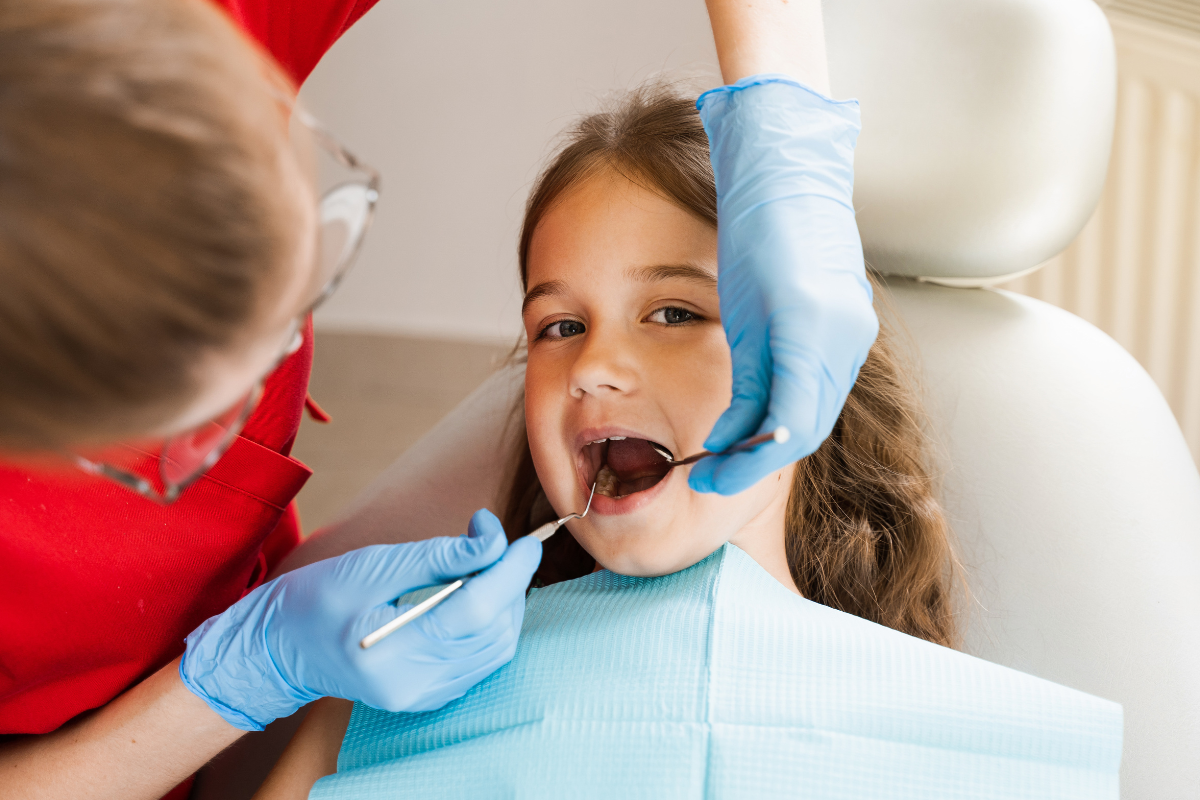
Have you noticed that your teenager suddenly has bad breath that doesn’t seem to go away, or complains about a strange, bitter, or unpleasant taste in their mouth? Sometimes the cause is as simple as food or plaque buildup. But if the problem seems to come from the very back of the mouth, wisdom teeth may be worth considering.
Wisdom teeth can cause bad breath or a bad taste, particularly when they are partially erupted, impacted, difficult to clean, or surrounded by inflamed gum tissue. Food particles and bacteria can become trapped around the tooth, creating an environment where inflammation or infection can develop.
For families looking into wisdom teeth extractions Plano, understanding these early warning signs can help you know when it is time to have your teen’s wisdom teeth evaluated.
Why Can Wisdom Teeth Cause Bad Breath?
Wisdom teeth are the last set of adult teeth to develop and often appear during the late teen years or early adulthood. Because they are located so far back in the mouth, they can be difficult to brush and floss thoroughly.
The problem becomes more noticeable when a wisdom tooth only partially breaks through the gums.
A partially erupted tooth can leave a small area of gum tissue around the tooth where food, plaque, and bacteria can collect. If the area becomes inflamed, it may produce an unpleasant odor or taste.
Impacted wisdom teeth can create similar problems. An impacted tooth may remain partly or completely trapped beneath the gum or bone because there isn’t enough room for it to erupt normally.
Not every impacted wisdom tooth causes symptoms. However, when problems develop, bad breath and an unpleasant taste can be among the warning signs.
What Causes the Bad Taste Around a Wisdom Tooth?
A bad taste associated with a wisdom tooth can have several possible causes.
1. Food and bacteria become trapped
When a wisdom tooth is only partially visible, its position can make the surrounding area difficult to clean. Food debris may collect around the tooth and under the gum tissue.
Bacteria feeding on trapped debris can contribute to an unpleasant smell or taste.
This is one reason your teen may brush their teeth regularly and still notice a problem in the very back of their mouth.
2. Inflamed gum tissue
A partially erupted wisdom tooth can develop inflammation in the gum surrounding it. This condition is known as pericoronitis.
Pericoronitis commonly occurs when bacteria and debris become trapped beneath a flap of gum tissue covering part of the tooth. Symptoms can include bad breath, an unpleasant taste, gum swelling, discomfort, and—in more serious cases—facial swelling or difficulty opening the mouth.
3. Tooth decay
Wisdom teeth can be especially challenging to clean because of their location. If plaque remains around the tooth, decay can develop.
Tooth decay itself can sometimes contribute to bad breath or a bad taste, particularly when it becomes more advanced.
4. Gum infection
Inflammation around a wisdom tooth can sometimes progress into an infection. You may notice swelling, redness, tenderness, bleeding, drainage, bad breath, or an unpleasant taste.
A bad taste that repeatedly seems to come from the same area should not simply be covered up with gum, mints, or mouthwash. It is worth having the area examined.
Can You Have a Bad Taste From Wisdom Teeth Without Pain?
Yes.
This is one of the most important things parents and teens should understand.
A wisdom tooth problem does not always begin with severe pain. Some impacted wisdom teeth cause no noticeable symptoms at all, while others produce more subtle signs such as bad breath, an unpleasant taste, gum irritation, or occasional tenderness.
That means a teen shouldn’t assume everything is fine simply because their wisdom tooth doesn’t hurt.
For example, a teen might notice:
- A bad taste when biting down near the back molar
- Persistent bad breath despite regular brushing
- Food frequently getting stuck behind the last molar
- A swollen or irritated patch of gum
- Occasional bleeding around the wisdom tooth
- Tenderness that comes and goes
- Difficulty cleaning around the back tooth
These symptoms don’t automatically mean a wisdom tooth needs to be removed. They do, however, provide a good reason for a dental evaluation.
What Is Pericoronitis?
If you’ve searched for answers about a bad taste from wisdom teeth, you may come across the term pericoronitis.
Pericoronitis is inflammation of the gum tissue around a wisdom tooth that has not completely erupted. It is particularly associated with partially impacted wisdom teeth.
When part of the tooth is covered by gum tissue, a flap can form around it. Food particles and bacteria may become trapped underneath that tissue, which can lead to inflammation and infection.
Chronic or recurring pericoronitis can cause relatively mild symptoms, including bad breath and a persistent bad taste. More acute cases can cause significant pain, swelling, fever, difficulty swallowing, or difficulty opening the mouth.
This distinction matters because a minor bad taste shouldn’t necessarily cause panic—but symptoms that are getting worse shouldn’t be ignored.
Does Bad Breath Mean My Teen Needs Wisdom Teeth Removal?
Not necessarily.
Bad breath alone is not enough to determine whether wisdom teeth should be extracted.
A dentist needs to look at the position and condition of the wisdom teeth and consider factors such as:
- Whether the tooth is impacted
- Whether it is partially erupted
- Whether there is enough room for it to develop normally
- Whether food is repeatedly becoming trapped
- Whether there is decay around the wisdom tooth or neighboring tooth
- Whether gum inflammation or infection is present
- Whether the tooth is damaging an adjacent tooth
- Whether the problem is recurring
- Whether the tooth can be kept clean and healthy
Dental X-rays can also help show the position of wisdom teeth beneath the gums and whether they are developing at an angle or affecting nearby structures.
In other words, the goal isn’t to remove a wisdom tooth simply because it exists. The goal is to determine whether that tooth is creating or likely to create an oral health problem.
When Should You Have Wisdom Teeth Evaluated?
A dental evaluation is especially worthwhile if your teen has persistent or recurring symptoms around the back molars.
Consider scheduling an appointment if you notice:
Persistent bad breath
If your teen’s breath remains unpleasant despite consistent brushing, flossing, tongue cleaning, and routine dental care, there may be an underlying oral health issue.
A recurring bad taste
A metallic, bitter, foul, or otherwise unusual taste, particularly one that seems to come from the back of the mouth, should be evaluated.
Swollen or tender gums
Red, swollen, bleeding, or tender tissue around a partially erupted wisdom tooth can indicate inflammation.
Food repeatedly gets trapped
If your teen constantly needs to remove food from behind the last molar, the position of a wisdom tooth may be making that area difficult to maintain.
Jaw swelling or difficulty opening the mouth
These symptoms deserve prompt attention, particularly when they occur alongside bad breath, a bad taste, or gum swelling.
What If the Bad Breath Isn’t From Wisdom Teeth?
It’s important not to assume that every case of bad breath is caused by wisdom teeth.
Halitosis can have many causes, including plaque buildup, gum disease, dry mouth, tongue bacteria, cavities, certain foods, and other oral health conditions.
That is why a dental examination is more useful than trying to diagnose the cause based on smell alone.
If the wisdom teeth look healthy and aren’t contributing to the problem, your dentist can look for other possible sources and recommend the appropriate next step.
Can Good Oral Hygiene Help?
Yes, maintaining good oral hygiene is important whether or not your teen ultimately needs wisdom teeth removal.
Encourage your teen to:
- Brush twice a day with fluoride toothpaste.
- Floss daily.
- Pay extra attention to the back molars.
- Gently clean the tongue.
- Drink water regularly.
- Keep routine dental appointments.
- Follow any personalized cleaning instructions from their dentist.
However, good home care cannot always solve a structural problem.
If a wisdom tooth is impacted or positioned in a way that makes the area difficult to clean, simply brushing harder may not address the underlying issue.
What Happens During a Wisdom Tooth Evaluation?
At Grin Pediatric Dentistry, our team can evaluate your teen’s symptoms, examine the area around the back molars, and determine whether the wisdom teeth may be contributing to the problem.
Depending on what we find, an evaluation may include dental X-rays to understand the position and development of the wisdom teeth.
From there, the appropriate recommendation depends on your teen’s individual situation. Some wisdom teeth may simply need to be monitored. Others may require treatment or extraction if they are causing problems or pose a significant oral health concern.
Our goal is to help families understand why a treatment is recommended rather than simply telling you what to do.
If your teen needs an extraction, Grin Pediatric Dentistry also provides tooth extraction care in a pediatric-focused environment designed to help young patients feel comfortable.
You can learn more about our tooth extraction services and the other dental services we provide for children and teens.
When Is Bad Breath a Dental Emergency?
Bad breath by itself usually isn’t an emergency.
However, seek prompt dental care if bad breath or a bad taste occurs along with symptoms such as:
- Facial swelling
- Significant gum swelling
- Pus or drainage
- Fever
- Severe or worsening pain
- Difficulty swallowing
- Difficulty breathing
- Difficulty opening the mouth
These symptoms can indicate a more significant infection and should not be ignored. Severe swelling or difficulty breathing can require emergency medical attention.
For urgent dental concerns involving your child, Grin Pediatric Dentistry also provides pediatric dental emergency care in Plano and Dallas.
Frequently Asked Questions
Can wisdom teeth cause bad breath?
Yes. Wisdom teeth can contribute to bad breath, especially when they are partially erupted, impacted, difficult to clean, or surrounded by inflamed gum tissue. Food debris and bacteria can collect around the tooth and contribute to unpleasant odors.
Can wisdom teeth cause a bad taste in your mouth?
Yes. An unpleasant or foul taste can occur when bacteria, food debris, inflammation, or infection develops around a wisdom tooth. A recurring bad taste near the back of the mouth should be evaluated by a dentist.
Can an impacted wisdom tooth cause bad breath without pain?
Yes. Impacted wisdom teeth do not always cause pain. Bad breath or an unpleasant taste can sometimes be an early or subtle sign that the area needs attention.
Does bad breath mean my wisdom tooth needs to be removed?
Not necessarily. Bad breath can have many causes, and wisdom tooth removal should be based on an examination of the tooth, surrounding gums, and overall oral health, not bad breath alone.
When should I take my teen to a dentist for a bad taste?
If the taste keeps returning, seems to come from the area around a wisdom tooth, or occurs with swelling, bleeding gums, pain, drainage, or bad breath, schedule a dental evaluation. Prompt care is especially important if symptoms are becoming worse.
Don’t Ignore Changes Around Your Teen’s Wisdom Teeth
A little bad breath after certain foods is normal. A persistent bad taste or odor coming from the back of the mouth is different.
Wisdom teeth can create hard-to-clean areas where food and bacteria collect, particularly when the teeth are partially erupted or impacted. Inflammation around a wisdom tooth can also lead to symptoms such as bad breath and an unpleasant taste, even before significant pain develops.
If your teen is experiencing these symptoms, our team at Grin Pediatric Dentistry can evaluate the wisdom teeth and help you understand the available options.
For families looking for wisdom teeth extractions in Plano, TX, we’re here to provide personalized, pediatric-focused care in a comfortable environment. Request an appointment with Grin Pediatric Dentistry to have your teen’s wisdom teeth and symptoms evaluated.

New Patients & Emergency Appointments Welcome!
