


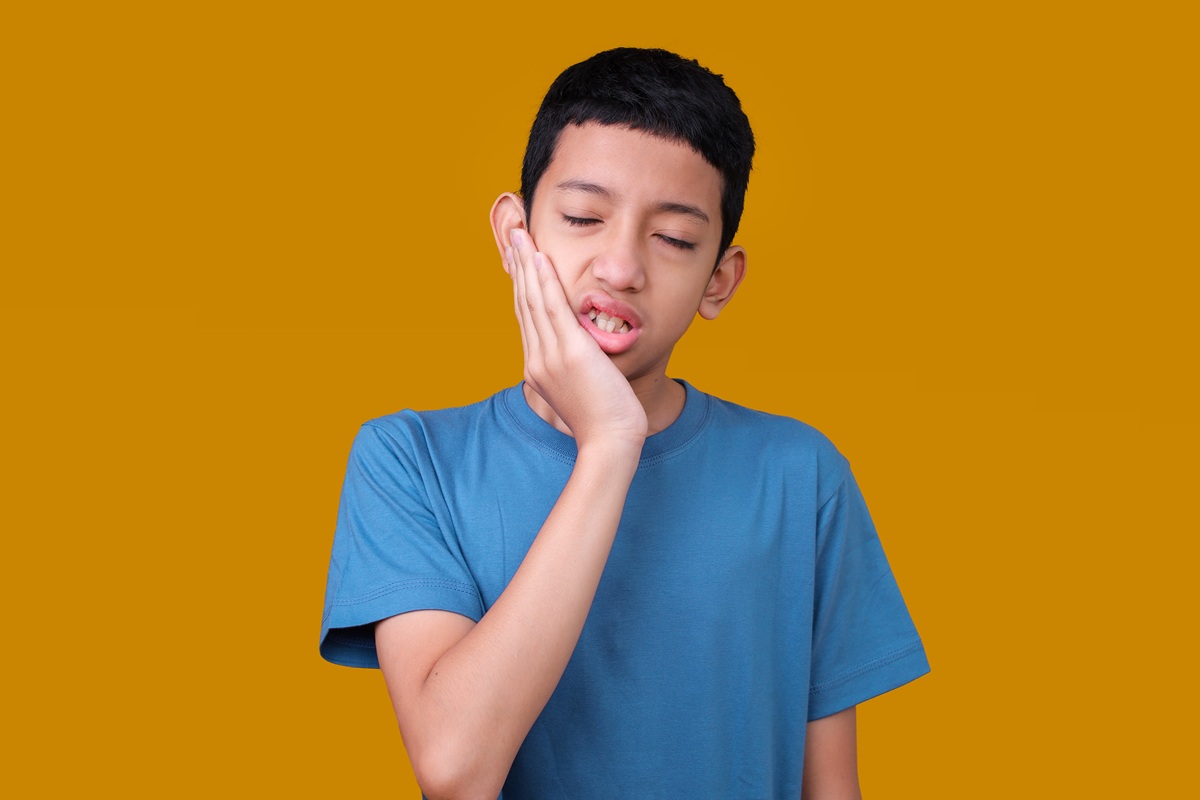
From soccer and football to baseball, basketball, gymnastics, and hockey, youth sports help children stay active, build confidence, and develop lifelong skills. But with every exciting game or practice comes the possibility of an unexpected dental injury.
A collision with another player, an accidental elbow, or even a simple fall can leave a child with a chipped tooth, a cut lip, or a more serious dental injury. While accidents can’t always be prevented, parents can take several practical steps to reduce the chances of a sports-related dental emergency.
If your child participates in sports, knowing how to protect their smile before the season begins can make all the difference. When families need care for a pediatric dental emergency in Dallas, Grin Pediatric Dentistry in Dallas is here to provide prompt, compassionate treatment for young patients.
Whether your child plays in a recreational league or on a competitive team, the dentists at Grin Pediatric Dentistry are here to help with preventive care, custom mouthguard recommendations, and prompt treatment when injuries happen. Call (972) 608-4746 to schedule an appointment and keep your young athlete’s smile game-ready.
Why Are Sports-Related Dental Injuries So Common?
Children naturally play with enthusiasm. During games, they often move quickly, make sudden stops, and come into close contact with teammates or opponents. These situations increase the likelihood of injuries involving the face and mouth.
Common sports-related dental injuries include:
- Chipped or broken teeth
- Knocked-out permanent teeth
- Loose teeth
- Cuts to the lips, cheeks, or tongue
- Jaw injuries
- Cracked dental restorations
Even sports that aren’t considered “high contact,” such as skateboarding, cycling, or gymnastics, can result in dental injuries from falls.
1. Invest in a Quality Mouthguard
The single most effective way to protect your child’s teeth during sports is by wearing a properly fitted mouthguard.
A mouthguard helps absorb impact and reduces the force transferred to the teeth, gums, and jaw.
There are several options:
- Stock mouthguards – Affordable but often bulky and less comfortable.
- Boil-and-bite mouthguards – Better fit after softening in hot water.
- Custom mouthguards – Designed by a dentist for the best protection and comfort.
Children are far more likely to wear a mouthguard consistently when it fits well and feels comfortable.
2. Choose the Right Protective Gear
A helmet protects the head—but depending on the sport, additional facial protection may also be recommended.
Consider using:
- Face shields
- Helmets with face cages
- Chin guards
- Protective masks after facial injuries
Always check that equipment fits correctly and meets current safety standards.
3. Replace Worn-Out Equipment
Sports gear takes a beating throughout the season.
Parents should regularly inspect:
- Mouthguards
- Helmets
- Face masks
- Chin straps
Replace equipment if it becomes cracked, loose, or no longer fits properly. Children also grow quickly, so gear that fit last season may not provide adequate protection today.
4. Encourage Safe Playing Habits
Good sportsmanship reduces injuries.
Teach children to:
- Avoid unnecessary rough play
- Follow the rules of the game
- Respect referees and coaches
- Stay aware of nearby players
- Keep protective equipment on during the entire game
Safe habits developed early often continue throughout a child’s athletic career.
5. Never Skip Warm-Ups
Warm muscles improve balance, coordination, and reaction time.
A proper warm-up before practice or competition can help reduce falls and awkward collisions that sometimes lead to dental injuries.
Encourage children to:
- Stretch
- Jog lightly
- Perform sport-specific drills
- Stay hydrated before and during activity
6. Know What to Do if an Injury Happens
Even with the best precautions, accidents can still occur.
Here’s what parents should do:
For a chipped tooth
- Rinse the mouth with warm water.
- Save any broken pieces if possible.
- Apply a cold compress to reduce swelling.
- Contact your pediatric dentist promptly.
For a knocked-out permanent tooth
- Pick up the tooth by the crown—not the root.
- Gently rinse it if dirty.
- If possible, place it back into the socket.
- If not, store it in milk or a tooth-preserving solution.
- Seek immediate dental care.
For bleeding lips or gums
- Apply gentle pressure with clean gauze.
- Use a cold compress.
- If bleeding continues, contact your dentist or seek emergency care.
Quick action often improves the chances of saving an injured tooth.
7. Schedule Regular Dental Checkups
Routine dental visits do more than prevent cavities.
Regular checkups allow your child’s dentist to:
- Monitor developing teeth
- Identify weak or damaged teeth
- Recommend protective mouthguards
- Discuss sports safety based on your child’s activities
Preventive care helps reduce the likelihood that minor dental concerns become emergencies during sports seasons.
Signs Parents Should Never Ignore After a Sports Injury
Sometimes a child may say they’re “fine,” even when there’s hidden damage.
Watch for:
- Tooth pain when biting
- Sensitivity to hot or cold
- Tooth discoloration
- Swollen gums
- Loose teeth
- Jaw pain
- Difficulty opening or closing the mouth
- Persistent bleeding
These symptoms should always be evaluated by a dental professional.
Simple Ways to Protect Your Child’s Smile
Keep these tips in mind throughout every sports season:
- Always wear a properly fitted mouthguard.
- Replace damaged protective gear promptly.
- Make sure helmets fit correctly.
- Encourage fair and safe play.
- Keep your child hydrated.
- Schedule regular dental checkups.
- Know basic dental first aid.
- Seek prompt care after any mouth injury.
When Should You Call a Pediatric Dentist?
Call your dentist immediately if your child experiences:
- A knocked-out tooth
- A cracked or broken tooth
- A loose permanent tooth
- Severe tooth pain
- Significant swelling
- Bleeding that doesn’t stop
- Difficulty closing the jaw
Prompt treatment can often prevent more complicated dental problems later.
Protect Your Young Athlete’s Smile
Youth sports should build confidence—not lead to lasting dental problems. With the right protective gear, safe playing habits, and regular preventive dental care, many sports-related dental injuries can be avoided.
If your child experiences a dental injury or you have questions about protecting their smile during sports, the team at Grin Pediatric Dentistry in Dallas is here to help. Call (972) 608-4746 to schedule an appointment or receive prompt guidance when your child needs expert dental care.
Frequently Asked Questions
Does my child really need a mouthguard for non-contact sports?
Yes. Falls and accidental collisions can happen in sports like baseball, basketball, skateboarding, gymnastics, cycling, and softball. A mouthguard provides valuable protection even when full contact isn’t expected.
Can a baby tooth be knocked out during sports?
Yes. Unlike permanent teeth, baby teeth should not be placed back into the socket. Contact your pediatric dentist as soon as possible for guidance.
Should my child wear braces and a mouthguard?
Absolutely. Children with braces are at greater risk for injuries to the lips and cheeks. A properly fitted orthodontic mouthguard offers added protection.
How soon should my child be seen after a dental injury?
As quickly as possible. Even injuries that seem minor can affect the tooth’s nerve or surrounding structures. Early evaluation often leads to better outcomes.
How often should a mouthguard be replaced?
Inspect it regularly and replace it if it becomes worn, cracked, or no longer fits well. Growing children may need a new mouthguard every sports season.
Related Articles
New Patients & Emergency Appointments Welcome!
