



When your child needs dental treatment, it is normal to feel concerned about sedation. Many parents wonder if it is safe and if it could affect their child later in life. As a sedation dentist, I hear this question often. The simple answer is that sedation dentistry, when done properly, is safe and rarely causes long-term issues.
This guide will help you understand what to expect, what the research says, and how to make the right decision for your child.
Meet the Pediatric Dentist Behind the Care
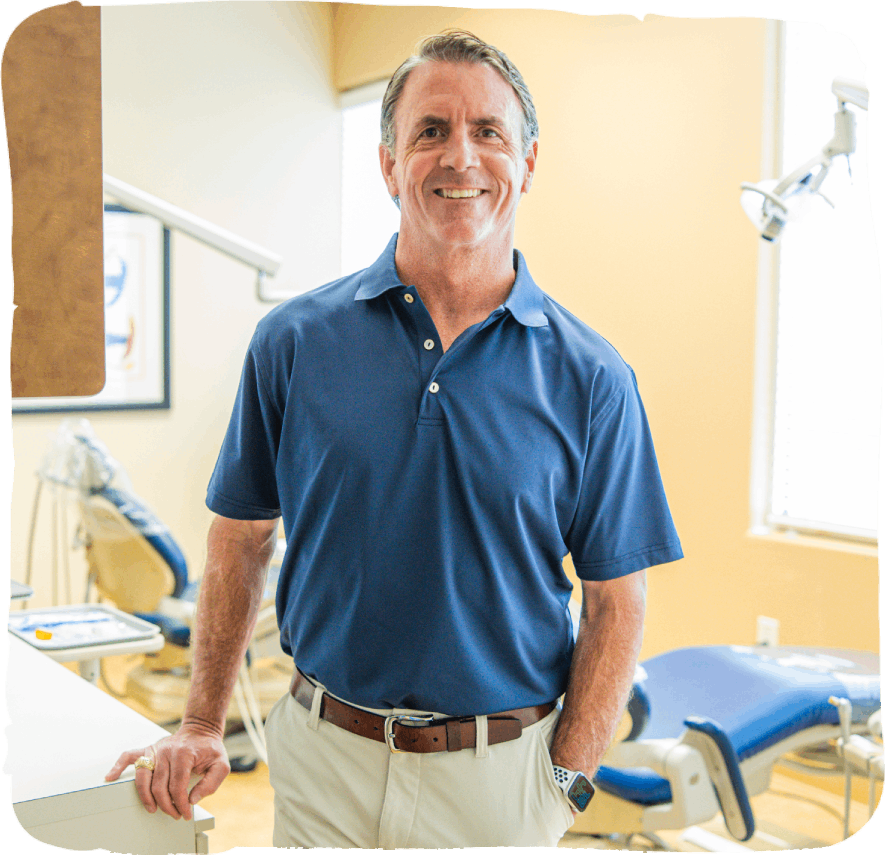
At Grin Pediatric Dentistry in Dallas, care is built around children and their comfort. Dr. Patrick Ryan brings decades of experience in pediatric dental care.
He is a native Texan who studied at Texas A&M University before earning his dental degree from Baylor College of Dentistry. He completed two additional years of pediatric training at Baylor and served as Chief Resident at Children’s Hospital and Scottish Rite Hospital for Children.
Dr. Ryan is board-certified by the American Board of Pediatric Dentistry and is an active member of several respected dental organizations. His journey began as a dental assistant in a pediatric office, where he discovered his passion for working with children.
With years of hands-on experience, he understands how to safely use sedation dentistry to help children feel calm and secure. His approach as a sedation dentist focuses on safety, trust, and gentle care.
What Is Sedation Dentistry for Kids?
Sedation dentistry helps children relax during dental procedures. It is often used for kids who feel nervous, have special needs, or need longer treatments.
A trained sedation dentist will select the right method based on your child’s health, age, and the type of care needed. Our goal is to make the experience easy and stress-free.
Types of Sedation Used in Pediatric Dentistry
Nitrous Oxide
This is a mild form of sedation. Children breathe it through a mask and feel relaxed quickly. The effects wear off within minutes.
Oral Sedation
This involves a liquid or pill taken before the visit. It helps the child feel calm and sleepy but still awake.
IV Sedation
This works faster and provides deeper relaxation. It is carefully monitored by a sedation dentist.
Deep Sedation
Used for complex procedures, this allows the child to sleep during treatment in a controlled setting.
Each method used in sedation dentistry is chosen with safety as the top priority.
Short-Term Side Effects
Most children recover quickly after sedation. Common short-term effects include:
- Drowsiness
- Nausea or mild vomiting
- Grogginess
- Headache or light dizziness
These effects usually fade within a few hours. Most kids feel normal by the end of the day.
Are There Long-Term Effects?
This is the main concern for many parents.
Current research shows that sedation dentistry does not cause long-term harm when used correctly. Medical and dental experts agree that it is safe when handled by a trained sedation dentist.
Temporary Behavior Changes
Some children may act differently for a short time after the visit. They may seem more tired or clingy. These changes usually go away within a few days.
Brain Development
There is no strong evidence linking short dental sedation to long-term learning or behavior problems.
Overall Safety
Long-term risks are very rare. The benefits of completing needed dental care often outweigh the small risks.
How Safety Is Maintained
A skilled sedation dentist follows strict safety steps during every procedure:
- Full review of your child’s medical history
- Continuous monitoring of breathing and heart rate
- Use of proper safety equipment
- Presence of trained staff at all times
These measures make sedation dentistry a safe option for children.
When Is Sedation Recommended?
Not every child needs sedation. It is usually suggested when:
- A child who has strong dental anxiety
- Treatment is long or complex
- The child has trouble sitting still
- There are special healthcare needs
A sedation dentist will always explain your options and help you decide what is best.
Helping Your Child Prepare
You can support your child with these simple steps:
- Talk about the visit in a calm way
- Follow all instructions before the appointment
- Plan for rest after the visit
- Stay close during recovery
These steps will help your child feel safe and comfortable.
Why Choosing the Right Dentist Matters
The experience and training of your provider plays a big role. A skilled sedation dentist knows how to adjust care based on each child’s needs.
At Grin Pediatric Dentistry in Dallas, the focus is on creating a safe and positive experience. Care is tailored to each child so they can build confidence with dental visits over time.
Final Thoughts
Dental visits should not feel scary for children. Sedation dentistry helps make treatment calm and manageable.
Long-term effects are very rare when sedation is handled by a trained sedation dentist. With the right care, your child can have a safe experience and develop healthy dental habits for life.
If you have concerns, talk openly with your dental provider. Clear answers and the right plan can give you peace of mind.

New Patients & Emergency Appointments Welcome!
