


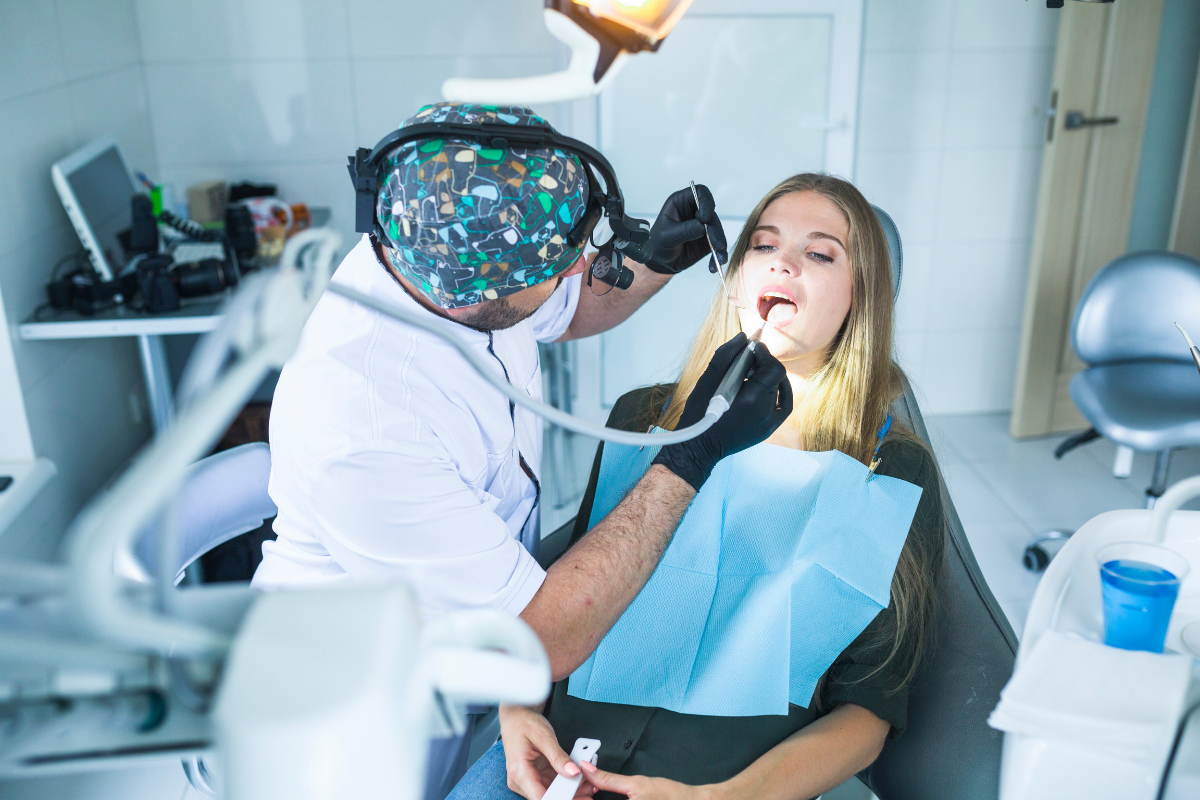
Your teen just got Teeth Whitening before a big event—maybe prom, school photos, or a special occasion.
Their smile looks amazing… but now you’re wondering:
“How do we make these results last?”
To make teeth whitening results last longer, you should:
- Avoid stain-causing foods and drinks for 48 hours
- Maintain a strong daily oral care routine
- Use dentist-recommended products
- Schedule follow-up visits when needed
Want long-lasting results? Schedule a quick follow-up or consultation for expert teeth whitening in Dallas.
What Happens After Teeth Whitening?
Right after Teeth Whitening, your teen’s teeth are:
- More porous (they absorb stains easily)
- Slightly sensitive
- Extra bright and clean
This is called the “critical window”—usually the first 24–48 hours.
What your teen does during this time can either:
- Protect the results
- Or ruin them quickly
Why Do Teeth Stain Easily After Whitening?
After whitening, the enamel is temporarily more open.
This means:
- Dark foods and drinks can soak in faster
- Poor habits can reverse results quickly
Think of it like a clean white shirt—easy to stain if you’re not careful.
Step-by-Step Teeth Whitening Aftercare Routine
Here’s exactly how to protect your teen’s smile:
1. Follow the “White Diet” (First 48 Hours)
Stick to light-colored foods like:
- Milk, yogurt
- Rice, pasta
- Chicken, eggs
2. Brush Gently but Consistently
- Brush twice daily
- Use a soft-bristled toothbrush
- Choose a non-abrasive toothpaste
3. Rinse After Every Meal
Even at school, a quick rinse helps remove stain-causing particles.
4. Stay Hydrated
Water helps wash away staining agents.
5. Use Dentist-Recommended Products
Avoid random over-the-counter whitening products. Stick to what your dental provider suggests.
Foods and Drinks to Avoid After Teeth Whitening
This is where most teens make mistakes.
Avoid:
- Soda and sports drinks
- Coffee and tea
- Chocolate
- Berries
- Tomato-based sauces
- Colored candies
Safer options:
- Water
- Milk
- Light-colored snacks
Rule: If it can stain a white shirt, it can stain teeth.
Best Habits to Maintain White Teeth
Help your teen build these habits:
- Brush after meals when possible
- Use a straw for drinks like juice
- Limit snacking throughout the day
- Maintain regular dental visits
Small habits = long-lasting results.
Common Mistakes Teens Make After Whitening
Don’t ruin your results—watch out for these:
- Drinking soda right after whitening
- Skipping brushing at night
- Using harsh whitening products too soon
- Eating staining foods within 24 hours
These habits can fade results much faster than expected.
How Long Should Teeth Whitening Results Last?
For most teens, results can last:
- Several months to a year (with good care)
But it depends on:
- Diet
- Oral hygiene
- Lifestyle habits
Dallas teens who follow proper teeth whitening aftercare often enjoy longer-lasting results.
When Should You Consider a Touch-Up?
You may need a touch-up if:
- Teeth start looking dull
- Stains begin to return
- A big event is coming up
A quick visit for teeth whitening can help maintain a bright, confident smile.
Frequently Asked Questions
How long does teeth whitening last for teens?
Teeth whitening results for teens can last anywhere from several months up to a year, depending on their daily habits. Frequent consumption of staining foods and drinks like soda or colored snacks can make results fade faster. Maintaining good oral hygiene, including brushing twice daily and rinsing after meals, helps extend the brightness. Regular dental checkups also play an important role in keeping the results longer.
Can teens drink soda after whitening?
Teens should avoid soda for at least 48 hours after Teeth Whitening because teeth are more porous and prone to staining during this time. Even after that period, soda should be consumed in moderation to prevent discoloration from returning जल्दी. Using a straw and rinsing the mouth with water after drinking can help reduce staining effects. Since soda is also acidic, it can weaken enamel and impact long-term whitening results.
What foods should be avoided after teeth whitening?
After Teeth Whitening, teens should avoid dark-colored or staining foods for at least 24–48 hours to protect their results. Common culprits include coffee, tea, soda, berries, chocolate, and tomato-based sauces. These foods can quickly penetrate the enamel and cause discoloration. Choosing light-colored foods like milk, rice, and chicken during this period helps maintain a brighter smile.
Is teeth whitening safe for teens?
Teeth Whitening is generally safe for teens when done under professional supervision. A dental professional will evaluate the teen’s oral health and ensure the treatment is appropriate and safe. Professional whitening also reduces the risk of sensitivity and uneven results. It’s important to avoid overusing over-the-counter products, as they may harm enamel if used incorrectly.
How often can teens get teeth whitening?
The frequency of Teeth Whitening for teens depends on their dental health, lifestyle, and how quickly stains return. Most teens do not need frequent whitening, and occasional touch-ups are usually enough to maintain results. Over-whitening should be avoided to protect the enamel and prevent sensitivity. A dental professional can recommend a safe schedule based on individual needs.


New Patients & Emergency Appointments Welcome!
