


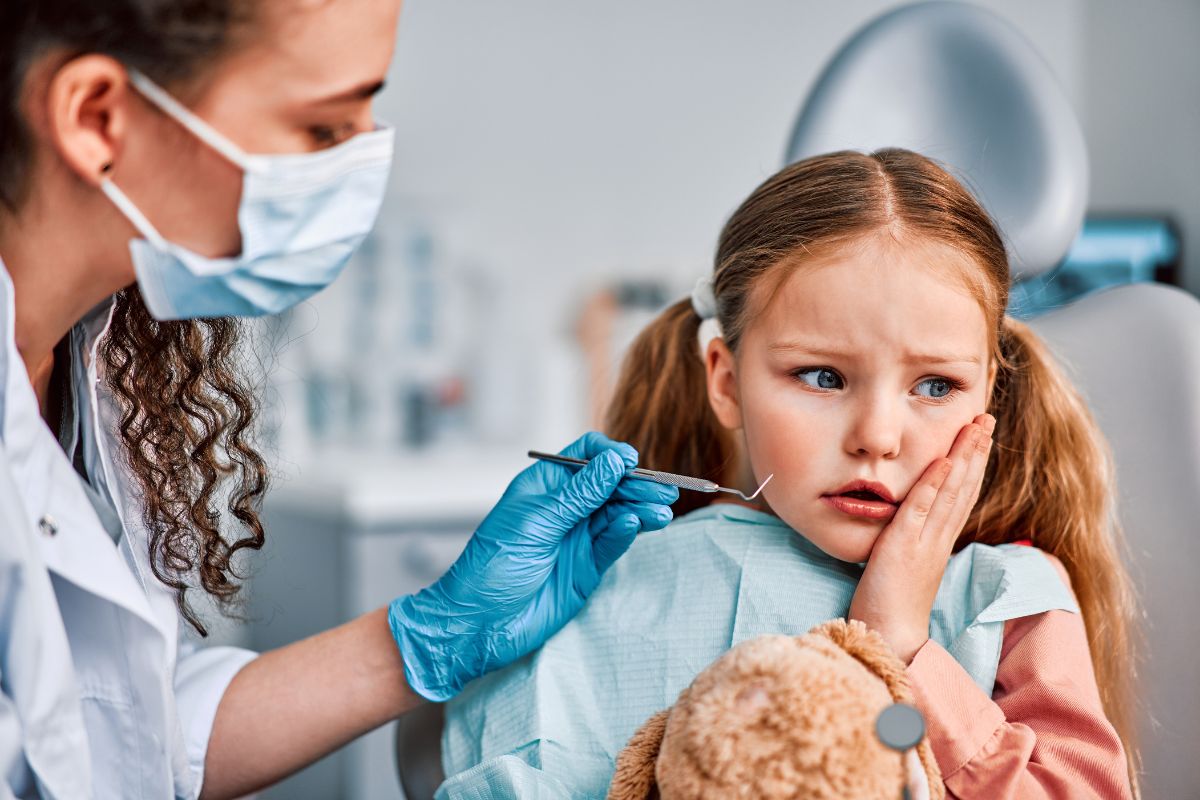
Picture this: Your child is out on the playground, full of energy and laughter, when suddenly a tumble leads to a gasp-worthy moment—a tooth flies out. Panic sets in, but knowing what to do next can make all the difference. This common yet alarming situation highlights why quick action matters so much in dental care.
Understanding Tooth Avulsion
A knocked-out tooth, or avulsion, happens when force dislodges it completely from its socket. This often stems from falls, sports mishaps, or accidents. Kids face higher risks due to active play. The tooth’s root connects to blood vessels and nerves in the jaw. When ripped out, these links break, cutting off vital nutrients.
Without prompt care, the tooth’s cells start dying. Gums and bone can suffer too. Swelling or bleeding may occur right away. Infection risks rise if bacteria enter the open socket. Long-term issues include jawbone weakening or alignment shifts in nearby teeth.
Why It’s a True Emergency
Time is critical here. A dentist can often save the tooth if it is treated quickly. Delaying reduces success odds sharply. For instance, reinserting within 30 minutes boosts chances greatly. After an hour, survival drops below 50%. Beyond two hours, replanting becomes unlikely.
This urgency stems from the tooth’s delicate structure. Root cells need moisture and protection to stay viable. Dry exposure kills them quickly. Plus, the socket starts healing over, making reinsertion harder. Ignoring it can lead to abscesses or the need for complex fixes later.
In children, permanent teeth are key to speech, eating, and growth. Losing one early affects jaw development. Even baby teeth matter—they guide adult ones. Damage here might harm budding permanent teeth below.
Immediate Steps to Take
Stay calm first. Locate the tooth quickly. Pick it up by the crown, the visible chewing part. Avoid touching the root to prevent cell damage.
If dirty, rinse gently under cool water for seconds. Skip soap or scrubbing. Try placing it back in the socket. Have the person bite on clean gauze to hold it.
Can’t reinsert? Store it properly. Milk works best—it preserves cells. Saliva in the cheek is another option. Saline solution helps too. Never use plain water; it harms root cells.
Head to a dental professional right away. Call ahead so they’re ready. Keep the person calm and avoid eating or drinking.
For bleeding, apply gentle pressure with gauze. Use a cold pack on the face to cut swelling.
Differences Between Baby and Permanent Teeth
Baby teeth knock differently from permanent ones. For primaries, replanting isn’t usual. They naturally fall out anyway. But check for fragments in the mouth. Control bleeding and watch for signs of infection, like fever.
Still, see an emergency pediatric dentist. They ensure no harm to the underlying adult teeth. X-rays might reveal issues.
Permanent teeth demand saving efforts. Quick reimplantation can restore function fully. Success depends on handling and timing.
In both cases, pain management is key. Over-the-counter relief can help until professional care.
Prevention Tips for Dental Trauma
Guard against knocks with simple steps. Mouthguards are essential for sports like soccer or biking. Custom ones fit best and protect effectively.
Supervise young kids during play. Secure home hazards like sharp edges. Teach safe habits early.
Regular check-ups spot weak spots. Strong oral health resists injuries better.
Key Statistics on Knocked-Out Teeth
Here’s a quick look at success rates for replanting knocked-out teeth, based on timing:
| Time to Reimplantation | Success Rate |
|---|---|
| Within 5 minutes | Up to 90% |
| 5-60 minutes | 60-80% |
| Over 1 hour | Under 40% |
| Over 2 hours | Near 0% |
These numbers show why speed counts.
Trending FAQs on Knocked-Out Teeth
Many parents search for quick answers on this topic. Here are some frequently asked questions from online searches, with clear responses:
- What should I do immediately if a tooth is knocked out? Find the tooth, handle it by the crown, rinse if needed, and try to reinsert it. If not, store in milk and seek dental help fast.
- Can a knocked-out tooth be saved? Yes, often, if acted on quickly. Permanent teeth have good odds within an hour.
- How long can a knocked-out tooth survive outside the mouth? Up to an hour if stored properly, but sooner is better for best results.
- What’s the difference in handling baby vs. permanently knocked-out teeth? Don’t replant baby teeth, but do for permanent ones. Always consult a professional.
- Is it okay to put a knocked-out tooth in water? No, water damages cells. Use milk or saliva instead.
- When is a knocked-out tooth considered unsavable? Usually, after two hours dry, or if the root is badly damaged.
Long-Term Care After the Incident
Once treated, follow-up is vital. Our emergency pediatric dentist monitors for infection or root issues. Root canals might be needed if the nerve dies.
Watch for signs like ongoing pain or color changes in the tooth. Good hygiene aids healing.
Building trust with a reliable emergency pediatric dentist ensures smooth handling of such events.
Seeking Professional Help
When facing a dental crisis like this, expert care makes recovery easier. You can schedule your appointment with Grin Pediatric Dentistry in Plano or Dallas, TX—pick the spot closest to you. Our team will handle everything smoothly and offer tips for a quick, comfy recovery.
Knowing these steps empowers you. It turns a scary moment into a manageable one.
Don’t wait for issues to arise—proactive care keeps smiles bright. Reach out today to schedule an appointment and stay prepared.


New Patients & Emergency Appointments Welcome!
