


Dental visits can stir up anxiety, especially for complex treatments. IV sedation steps in as a game-changer, letting you relax deeply during the work. But what happens when the procedure ends? You might feel a bit off-kilter as the meds wear off. This post dives into those common reactions. We’ll cover what to expect, how to handle them, and tips to bounce back fast. Stick around for real insights that turn worry into confidence.
What Is IV Sedation and Why Opt for It?
IV sedation delivers medication straight into your vein. It creates a twilight state—relaxed, often with foggy recall of the session. Unlike general anesthesia, you stay conscious but carefree.
Dentists use it for lengthy fixes like implants or extractions. It tackles dental phobia head-on. Patients often say time flies; hours feel like minutes. This approach suits those with strong gag reflexes or past bad experiences. Safety comes first, with constant monitoring of vitals.
In the realm of sedation for dental procedures, it shines by easing tension without full knockout. Think reduced stress hormones and smoother sessions. Studies show it cuts procedure interruptions by up to 80%. Always chat with your provider about fit—medical history matters.
Spotting the Top Side Effects
Most folks sail through with mild, short-lived blips. These stem from the meds leaving your system. Here’s a breakdown of the usual suspects.
Drowsiness and Grogginess
You wake up feeling like you just napped too long. This tops the list. Your brain needs time to reset.
Nausea or Vomiting
A queasy stomach hits some, especially if sensitive to meds. It’s like motion sickness but brief.
Headache
Tension builds from dehydration or the sedation itself. Sip water early to fend it off.
Dry Mouth
Meds slow saliva flow. It feels cottony but passes quick.
Bruising at the IV Site
A small mark or puffiness where the needle went in. Ice helps.
Less common: slight confusion or slurred words right after. Rare issues like prolonged sleepiness affect under 2% per studies.
For tailored guidance in the area, a sedation dentist in Plano, TX offers personalized prep to minimize these.
Side Effects at a Glance: Quick Stats Table
Here’s a simple table on frequency and duration. Data draws from dental studies on over 1,000 cases.
| Side Effect | Approx. Incidence | Typical Duration |
|---|---|---|
| Drowsiness | 70-80% | 8-24 hours |
| Nausea/Vomiting | 10-20% | 1-4 hours |
| Headache | 15-25% | 2-6 hours |
| Dry Mouth | 20-30% | 1-2 hours |
| IV Site Bruising | 5-10% | 1-3 days |
These rates stay low with proper dosing. Overall complication odds hover at 1.3% in monitored settings.
Easing Through Recovery: Practical Steps
Recovery kicks off right in the chair. Staff watches you till steady. Plan a ride home—no driving for 24 hours.
Start slow. Rest in a dim room. Hydrate with clear fluids; aim for 8 ounces hourly. Skip heavy meals—opt for crackers or broth if queasy.
For headaches, a cool cloth on your forehead works wonders. Over-the-counter relief? Check with your dentist first. Walk lightly after two hours to clear the fog.
Arrange help for the day. Light chores only. Avoid booze or extra meds—they drag recovery.
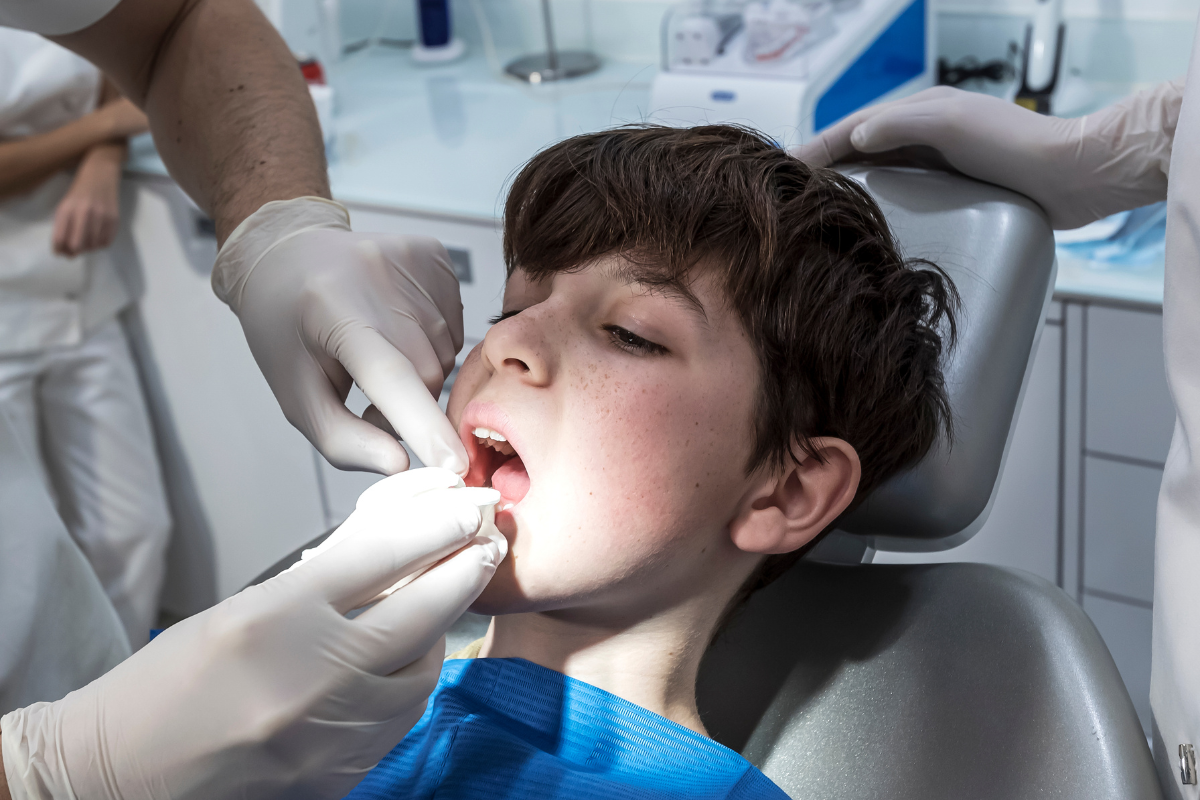
Kids bounce back faster but need supervision. Watch for extra sleepiness.
By evening, most feel near normal. Full reset by next morning.
Timeline: Hour-by-Hour Post-Sedation
Zero to one hour: Still woozy. Stay put. Vitals stabilize.
One to four hours: Grogginess eases. Nibble if hungry. Rest more.
Four to eight hours: Energy creeps back. Light activities okay. Hydrate steady.
Eight to 24 hours: Back to routine. Drive only if clear-headed.
Factors like age or dose tweak this. Older adults may linger drowsy longer.
Red Flags: When to Ring Your Dentist
Most effects fade harmlessly. But listen to your body.
Call if nausea lasts over six hours. Or if headache throbs despite rest. Breathing trouble? Rare, but urgent.
Severe bruising or swelling at the site needs a peek. Confusion beyond four hours? Better safe.
In Plano’s bustling scene, quick access to care keeps things smooth. Your team’s just a call away.
Trending FAQs on IV Sedation Side Effects
Curious minds search these often. Pulled from top Google queries, here’s the scoop in list form.
- How long do IV sedation side effects last? Most wrap up in 24 hours. Drowsiness peaks first, then fades. Full clarity by day two for nearly all.
- Is IV sedation safe for dental work? Yes, with trained pros. Complication rates sit under 2%. Monitoring catches issues early.
- Will I remember my procedure? Often not. Amnesia is common—80% report foggy recall. It eases post-op stress.
- Can kids have IV sedation? Absolutely, for anxious little ones. Doses adjust for safety. Pediatric pros ensure gentle handling.
- What helps with nausea after sedation? Ginger tea or small sips of electrolyte drinks. Rest upright. It hits few but passes fast.
These answers stem from patient chats and studies. Got more? Ask away.
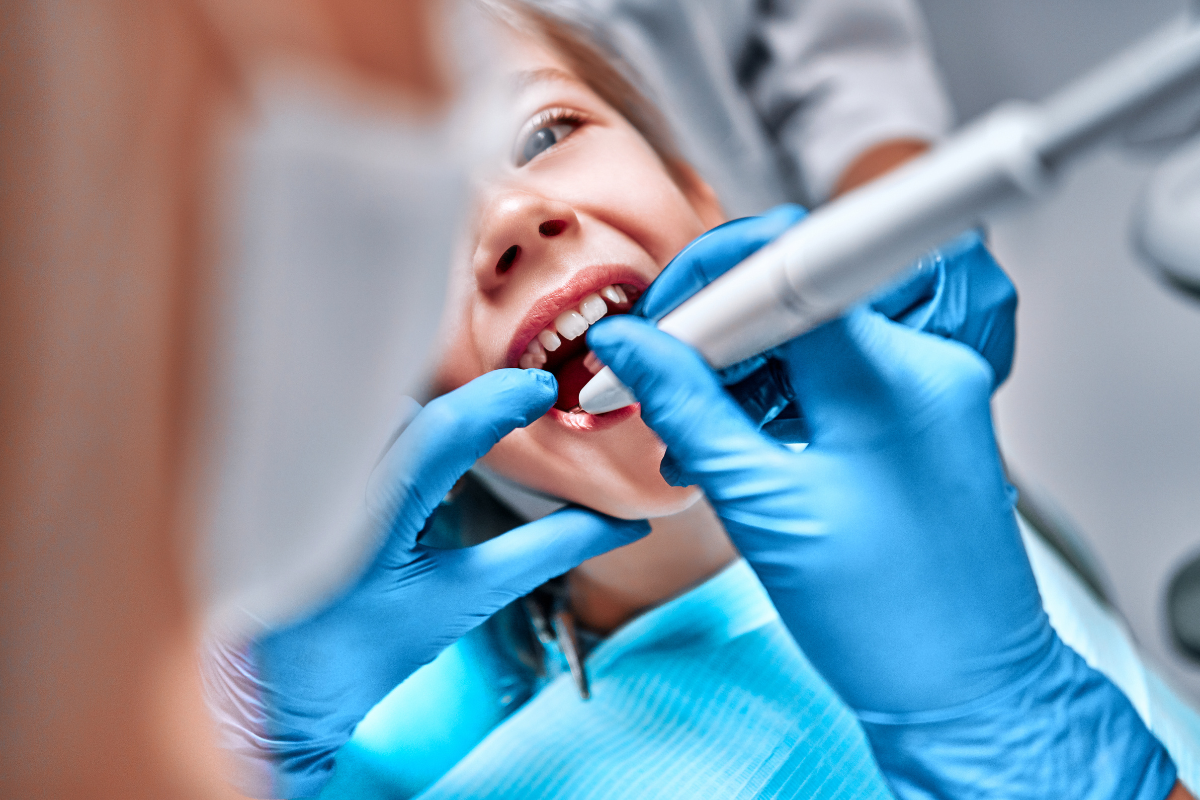
If you are searching for a pediatric dentist near you, look for ones versed in kid-friendly sedation. It turns tears into triumphs. Gentle dosing keeps playtime on track post-visit.
Fear not—these tools exist to make dental days delightful for tots.
Wrapping Up: Embrace Comfort with Confidence
IV sedation unlocks worry-free dental care. Side effects? Mostly minor hurdles you can leap with know-how. Arm yourself with rest, water, and smarts. You’ll emerge refreshed, smile intact.
Ready to try it? Schedule your consult today. Dial 972-608-4746 to book an appointment and step into serene sessions.

New Patients & Emergency Appointments Welcome!
