



Imagine biting into a juicy orange or sipping a fizzy soda on a hot day. These simple pleasures might seem harmless. Yet, they could be quietly harming your smile. Many people overlook how everyday choices affect dental health. This post explores the subtle impact of certain diets on teeth. We’ll uncover facts and tips to keep your enamel strong. Read on to learn how small changes can protect your pearly whites.
Understanding Tooth Enamel and Its Role
Tooth enamel forms the hard outer layer of your teeth. It shields the sensitive inner parts from damage. This mineral-rich coating is the toughest substance in your body. Yet, it’s not invincible. Daily wear and tear can weaken it over time. Enamel doesn’t regenerate once lost. That’s why protecting it matters so much. Healthy enamel means fewer dental issues down the line. Think of it as your teeth’s first line of defense.
How Acid Attacks Enamel
Acids soften enamel through a process called demineralization. This happens when pH levels drop below 5.5 in your mouth. The surface becomes vulnerable to wear. Over time, this leads to erosion. Brushing too soon after acid exposure worsens the problem. Wait at least 30 minutes before brushing. Saliva helps neutralize acids naturally. But frequent exposure overwhelms this defense. Awareness is key to prevention.
Common Culprits: Acidic Foods and Drinks
Citrus fruits like lemons and oranges pack a punch. Their citric acid tastes refreshing but erodes enamel. Tomatoes and vinegar-based dressings add to the risk. Sodas, even diet versions, are highly acidic. Sports drinks promise hydration but harm teeth. Wine and beer contribute too. Dried fruits concentrate acids and stick to teeth. Enjoy these in moderation. Pair them with cheese or milk to buffer effects.
Signs of Enamel Erosion to Watch For
Eroded enamel shows up in subtle ways. Teeth may appear yellower as dentin shows through. Sensitivity to hot or cold increases. Edges become rounded or translucent. Cracks or chips form more easily. Some notice a rough texture on tooth surfaces. These changes happen gradually. Regular check-ups catch them early. Ignoring signs leads to bigger problems like cavities.
In some cases, enamel damage mimics other issues. For instance, tooth concussion symptoms include tenderness and sensitivity after impact. But acid erosion causes similar discomfort without trauma. Knowing the difference helps in seeking the right care.
The Impact on Children’s Dental Health
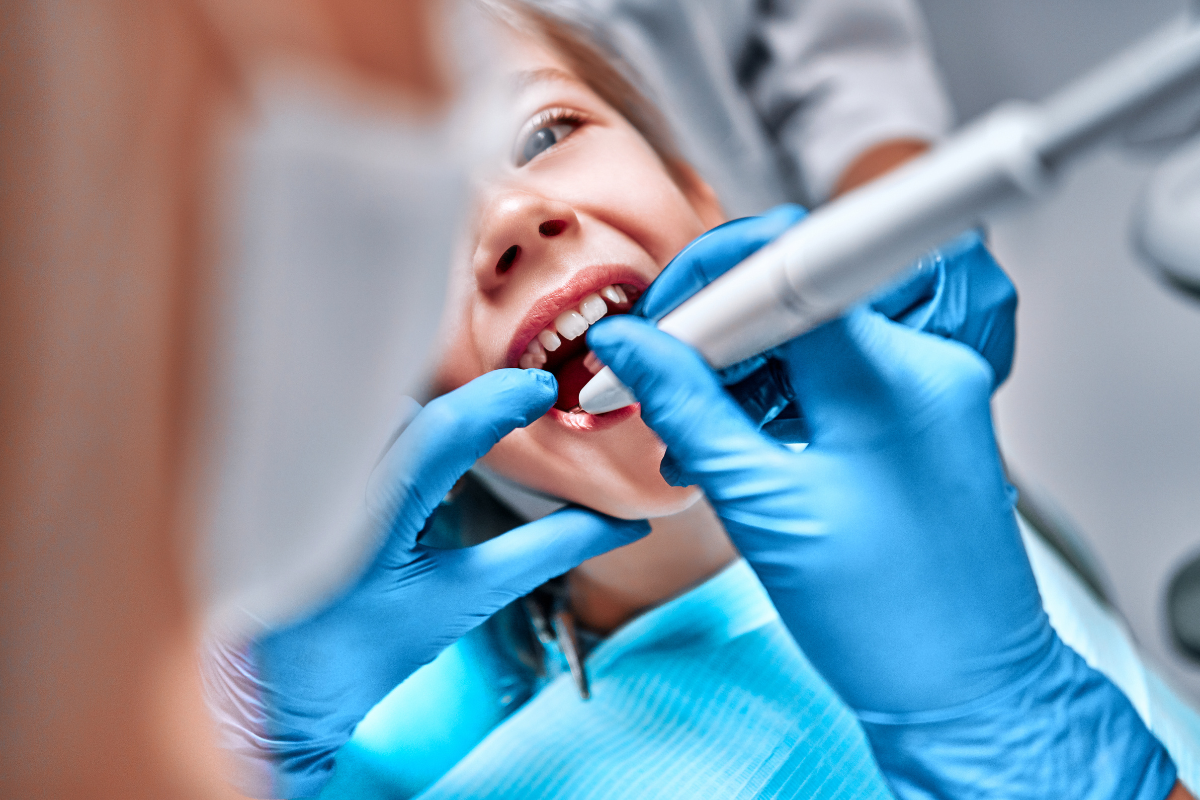
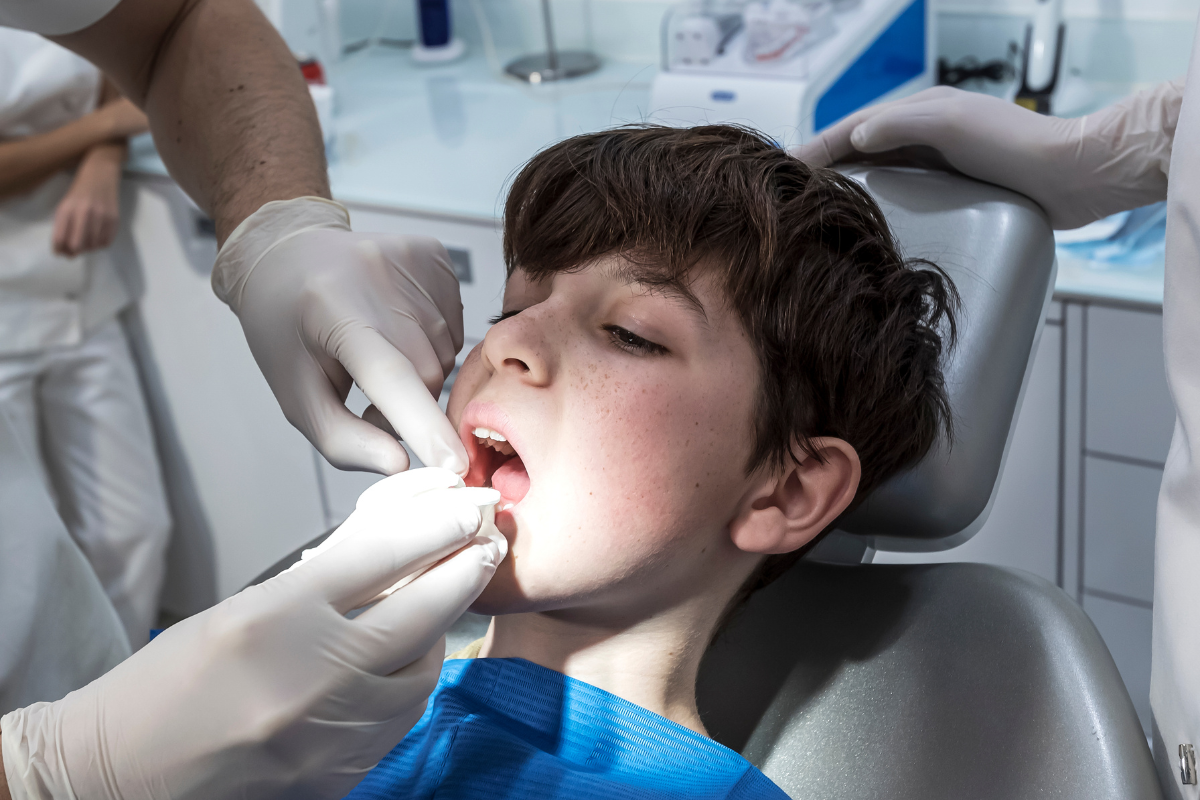
Kids love sour candies and fruity snacks. These treats expose developing teeth to acids often. Young enamel is thinner and more prone to damage. Habits form early, so guide choices wisely. Encourage water over sugary drinks. Offer veggies with dips to balance meals. Parents play a vital role here. Teach brushing techniques gently. Make dental routines fun to build lifelong habits.
Finding a reliable pediatric dentist in Dallas, TX ensures expert guidance for your child’s smile. They provide tailored advice on diet and care.
Prevention Strategies for Stronger Enamel
Rinse your mouth with water after acidic meals. This dilutes harmful substances. Use straws for drinks to minimize contact. Chew sugar-free gum to boost saliva flow. Fluoride toothpaste strengthens enamel daily. Apply it twice a day. Avoid frequent snacking to give teeth recovery time. Choose alkaline foods like nuts or greens. These steps are simple yet effective.
Statistics on Dental Erosion
Here’s a quick look at key stats on enamel erosion from acidic sources:
| Statistic | Detail | Source |
|---|---|---|
| Prevalence in Children | 45.9% affected in the US | American Dental Association |
| Adult Prevalence | Up to 80% experience some erosion | American Dental Association |
| Risk from Acidic Drinks | pH below 5.5 increases erosion risk | Various dental studies |
| Increasing Incidence | Rising due to modern diets | National Institutes of Health |
These numbers highlight why awareness matters.
Our Plano Location for Convenient Care
We also serve children in the Plano area. If you’re looking for a pediatric dentist in Plano, TX, visit our branch for comprehensive services. Our team focuses on preventive care to combat issues like enamel erosion.
Trending FAQs on Acidic Foods and Tooth Enamel
Here are some frequently asked questions based on common searches:
- What foods damage tooth enamel the most? Citrus fruits, sodas, and vinegar-based items top the list due to high acidity.
- Can tooth enamel be restored after acid damage? Enamel doesn’t regrow, but treatments like bonding or fluoride can protect remaining layers.
- How do acidic drinks affect teeth? They soften enamel, leading to sensitivity and increased decay risk over time.
- What are signs of acid erosion on teeth? Look for yellowing, sensitivity, and rounded edges as early indicators.
- How can I protect my teeth from acidic foods? Rinse with water, use fluoride products, and limit exposure.
These answers address top concerns from online queries.
Long-Term Effects and When to Seek Help
Ongoing erosion raises cavity risks. It can lead to pain and structural issues. Acid reflux adds another layer of concern. Manage it with lifestyle changes. See a professional if symptoms persist. Early intervention saves teeth. Build habits that support oral health. Your smile deserves attention.
Have you noticed changes in your teeth lately? Acidic foods might be at play more than you think. Protecting enamel starts with informed choices. Small adjustments make a big difference. Prioritize your dental wellness today. If you are searching for a “pediatric dentist near me,” our team is here to help. Call (972) 608-4746 to schedule an appointment and keep those smiles bright.

New Patients & Emergency Appointments Welcome!
