


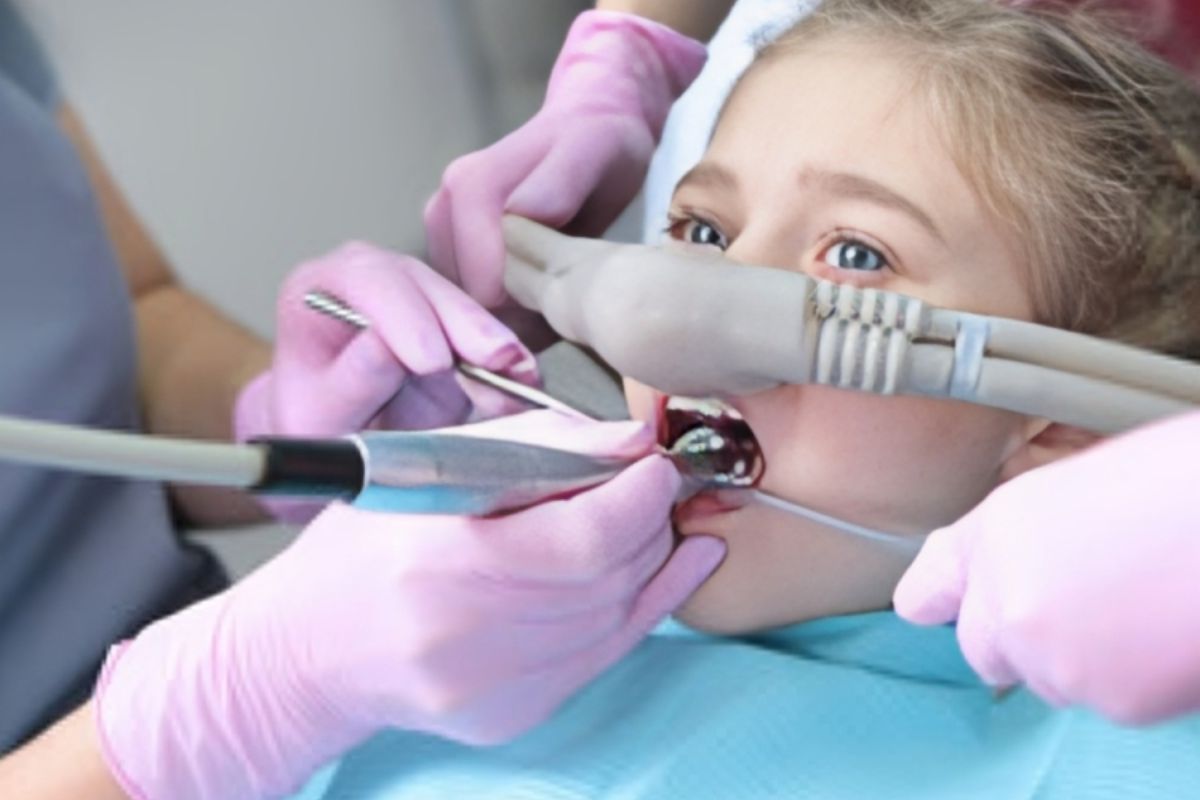
Sedation dentistry offers a calming solution for dental visits, making procedures more comfortable for patients of all ages. For children and adults alike, dental anxiety can be a significant barrier to receiving proper care. However, the approach to sedation differs significantly between pediatric and adult patients due to unique physiological, emotional, and procedural needs. This detailed guide explores how pediatric sedation dentistry varies from adult sedation, addressing common concerns and shedding light on what makes each approach distinct. Whether you’re a parent seeking solutions for your child or an adult curious about sedation options, this blog will clarify the differences and help you feel confident about your dental care choices.
What Is Sedation Dentistry?
Sedation dentistry involves using medication to help patients relax during dental procedures. It’s a game-changer for those who feel anxious or require complex treatments. Sedation can range from mild (where you’re awake but relaxed) to deeper levels (where you’re less aware but still responsive). The goal is to ensure comfort while maintaining safety. For both children and adults, sedation creates a stress-free experience, but the methods and considerations differ based on age, health, and emotional needs.
Key Differences in Pediatric vs. Adult Sedation Dentistry
Physiological Differences
Children’s bodies are smaller and metabolize medications differently than adults. Pediatric sedation requires precise dosing tailored to a child’s weight, age, and developmental stage. Their smaller airways and faster heart rates demand careful monitoring to ensure safety. Adults, on the other hand, have more stable physiology, allowing for broader sedation options. A sedation dentist in Dallas, TX, will adjust protocols to account for these differences, ensuring safe and effective care for every patient.
Emotional and Psychological Needs
Kids often feel more fear or confusion about dental visits due to their limited understanding of procedures. Pediatric sedation dentistry prioritizes creating a calm, trusting environment. Dentists may use child-friendly language, gentle reassurance, or even playful distractions. Adults, while sometimes anxious, typically have a better grasp of what to expect and may need less emotional hand-holding. However, adults might have specific anxieties tied to past dental experiences, requiring tailored communication to ease their concerns.
Types of Sedation Used
Pediatric sedation often relies on milder options like nitrous oxide (laughing gas) or oral sedatives. These are safe for children and allow quick recovery. For more complex procedures, IV sedation might be used, but it’s less common due to the need for specialized monitoring. Adults can handle a wider range, including oral sedatives, IV sedation, or even deeper sedation for extensive treatments. The choice depends on the procedure and the patient’s health profile.
Procedure Complexity and Duration
Children typically undergo simpler dental procedures, like fillings or cleanings, which require lighter sedation. Their shorter attention spans and smaller mouths also influence the approach. Adults, however, may need sedation for more invasive procedures, such as root canals or implants, which can take longer and require stronger sedation. Understanding how sedation dentistry works helps clarify why pediatric sedation focuses on quick, gentle methods while adult sedation might involve more intensive options.
Safety Protocols and Monitoring
Safety is paramount in sedation dentistry, but pediatric patients require extra vigilance. Children’s smaller bodies and developing systems mean even mild sedatives can have a stronger effect. Pediatric dentists use specialized equipment to monitor heart rate, oxygen levels, and breathing. Adults also require monitoring, but their physiological stability allows for slightly less intensive oversight. Both groups benefit from highly trained professionals who prioritize safety at every step.
Benefits of Pediatric Sedation Dentistry
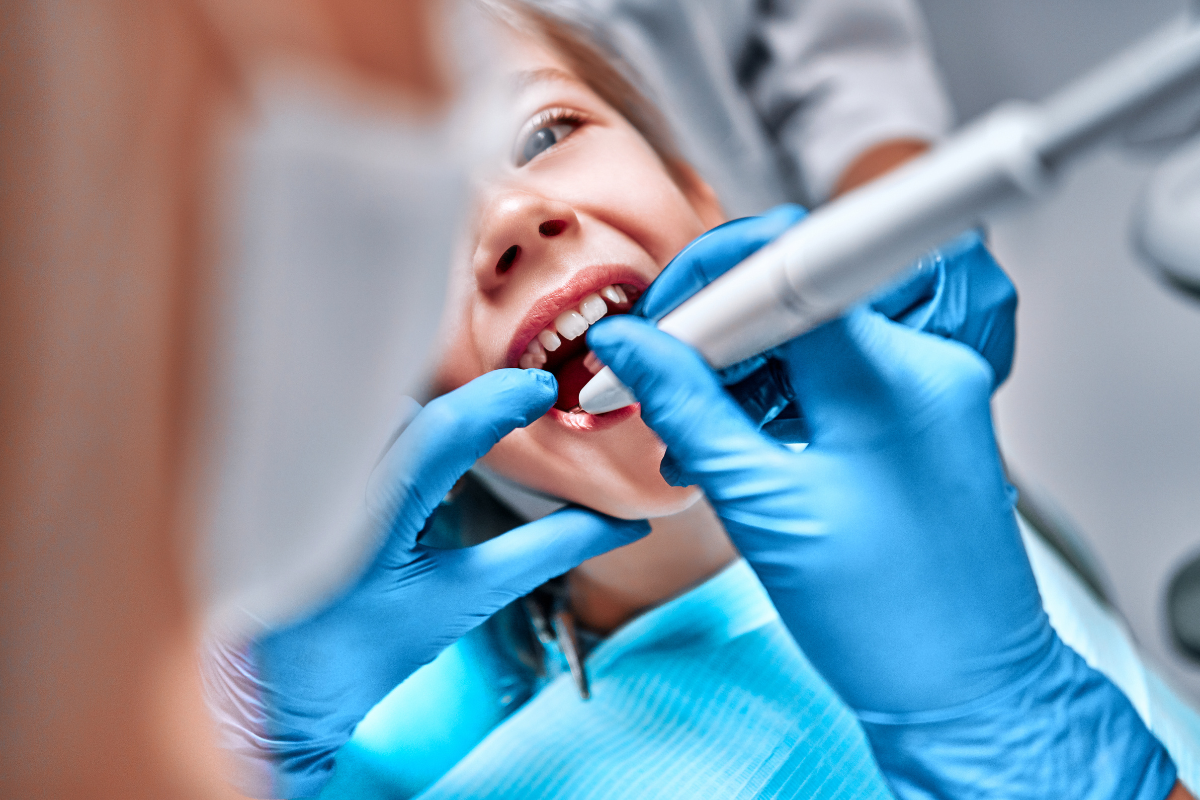
Pediatric sedation dentistry in Dallas, TX, offers unique advantages for young patients. It reduces anxiety, making dental visits less intimidating. Sedation also minimizes movement, allowing dentists to work efficiently and precisely. For children with special needs or severe anxiety, sedation can make treatment possible when it otherwise wouldn’t be. Parents gain peace of mind knowing their child is comfortable and safe, fostering a positive attitude toward dental care that can last a lifetime.
Benefits of Adult Sedation Dentistry
For adults, sedation dentistry transforms the dental experience by alleviating fear and discomfort. It’s ideal for those with dental phobias, sensitive gag reflexes, or complex procedures. Sedation allows adults to undergo multiple treatments in one visit, saving time and reducing stress. It also helps patients with medical conditions that make sitting still challenging. The result is a relaxed visit that encourages regular dental care without dread.
Trending FAQs on Pediatric vs. Adult Sedation Dentistry
Here are answers to some of the most frequently asked questions about sedation dentistry, based on what people are searching for online:
- Is sedation dentistry safe for children?
Yes, when administered by a trained pediatric dentist, sedation is very safe. Precise dosing and constant monitoring ensure your child’s well-being throughout the procedure. - How long does sedation last?
For kids, mild sedation like nitrous oxide wears off quickly, often within minutes. Adults may experience longer recovery times, especially with oral or IV sedation, but most can resume normal activities within a few hours. - Can sedation dentistry help with dental anxiety?
Absolutely. Sedation calms both children and adults, making dental visits less stressful and more manageable, especially for those with significant anxiety. - What types of sedation are used in pediatric dentistry?
Common options include nitrous oxide, oral sedatives, and, in rare cases, IV sedation. The choice depends on the child’s needs and the procedure. - Do adults need sedation for routine dental work?
Not always. Adults may opt for sedation for complex procedures or if they have severe anxiety, but routine cleanings often don’t require it.
How to Prepare for Sedation Dentistry
For Children
Parents play a key role in preparing kids for sedation. Explain the process in simple, positive terms, avoiding scary words like “needle” or “pain.” Follow the dentist’s instructions about fasting or medication restrictions. Bring a favorite toy or blanket to comfort your child. After the visit, ensure they rest and avoid strenuous activity until the sedation wears off.
For Adults
Adults should discuss their medical history with the dentist, including any medications or health conditions. Follow pre-appointment guidelines, such as avoiding food or drink for a set period. Arrange for someone to drive you home if receiving stronger sedation. Post-procedure, rest, and hydrate to aid recovery.
Choosing the Right Sedation Dentist
Selecting a skilled sedation dentist is crucial for both children and adults. Look for a practice with experience in pediatric and adult sedation, advanced training, and a focus on patient comfort. The right dentist will explain options clearly, address concerns, and create a welcoming environment. In Dallas, TX, top sedation dentists prioritize safety and personalized care, ensuring a positive experience for every patient.
Our Pediatric Sedation Dentistry Services in Plano, TX
Our practice is proud to offer the same high-quality pediatric sedation dentistry services at our Plano, TX, office. Just like our Dallas office, our Plano team specializes in creating a safe, comfortable environment for children. We use gentle sedation techniques tailored to your child’s needs, ensuring stress-free dental visits. Whether your child needs a routine cleaning or a more complex procedure, our experienced team in Plano is here to provide exceptional care with the same dedication to safety and comfort.
Sedation dentistry opens the door to stress-free dental care for both children and adults, but the approach varies to meet each group’s unique needs. By understanding these differences, you can make informed decisions about your or your child’s dental care. From tailored sedation methods to specialized safety protocols, pediatric and adult sedation dentistry ensures everyone can achieve a healthy smile without fear. If you’re considering sedation for your next dental visit, consult with a trusted dentist to explore the best options for you or your child.

New Patients & Emergency Appointments Welcome!
